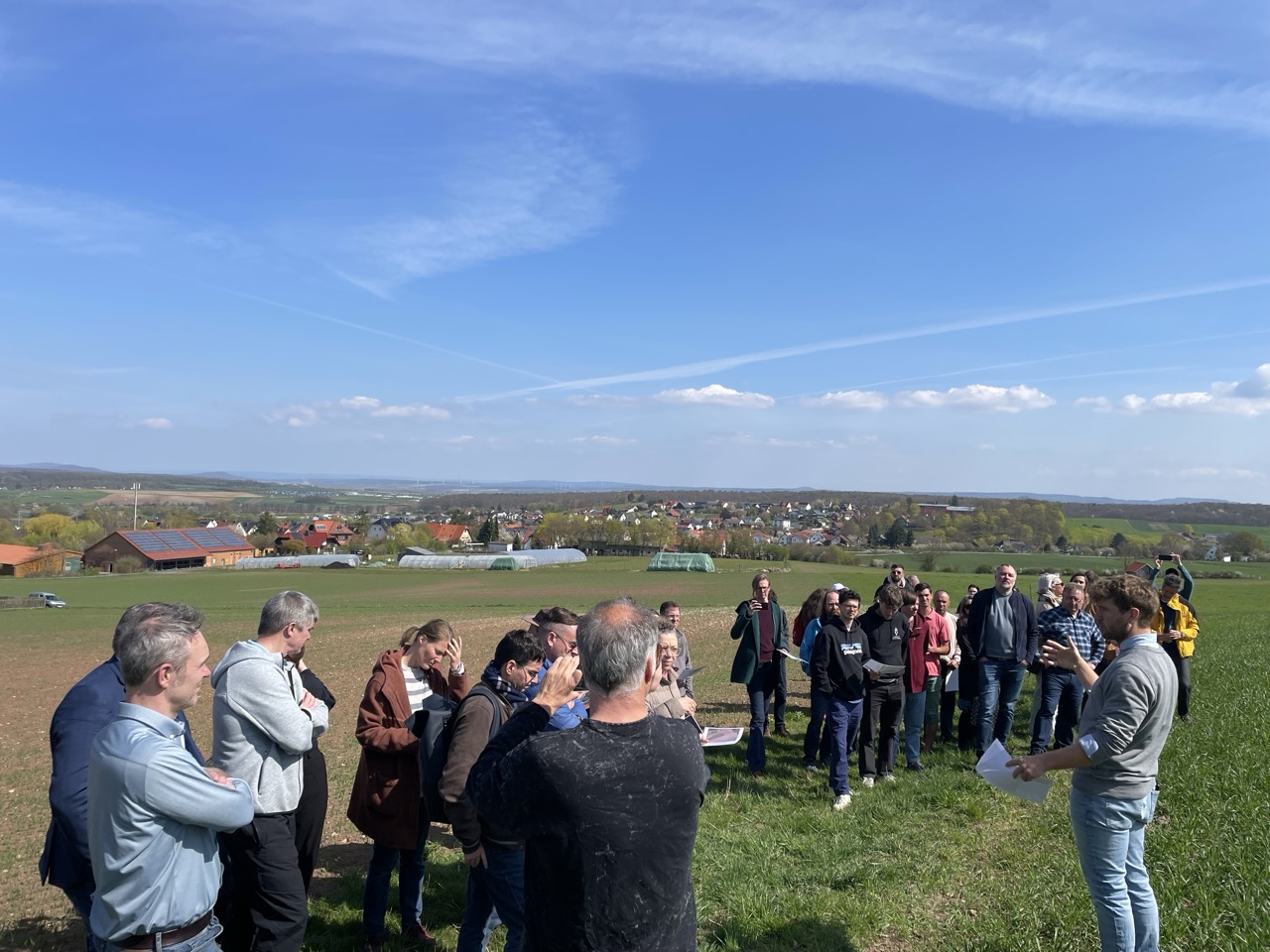
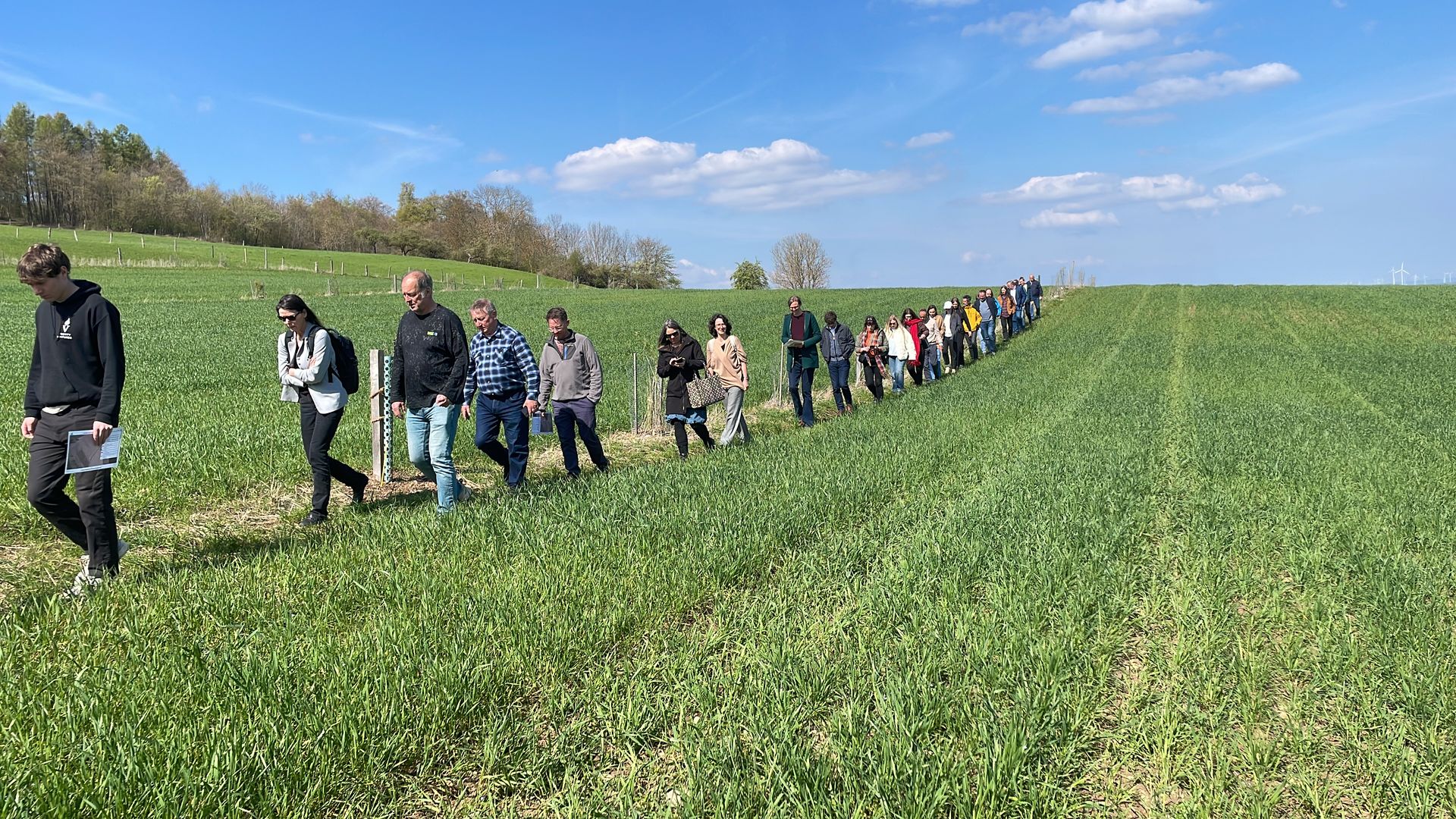
As part of the THREE C Network Conference in Kassel, participants from across Europe gathered for an excursion that brought the Circular Carbon Economy to life. Around 50 participants from countries including Ireland, the Netherlands, Belgium, the UK, Albania, Germany and France took part in the visit, creating a vibrant setting for exchange and discussion.
The excursion centred on understanding the entire process from biomass to biochar and its real-world applications. At three different sites, participants explored the connections between research, farming practices and industrial approaches.
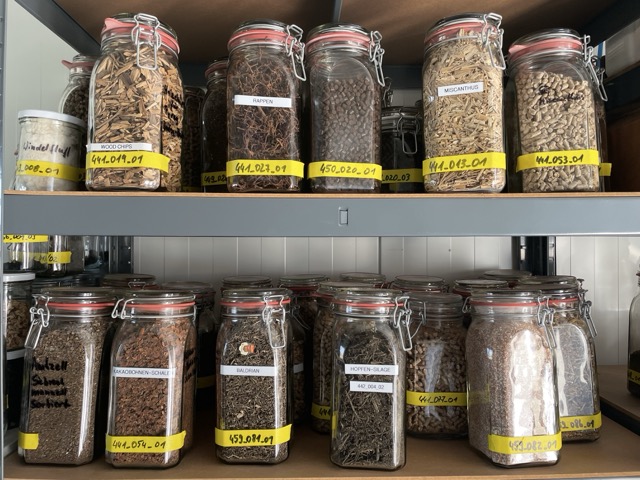
From Green Waste to Biochar: Insights from the TechLab
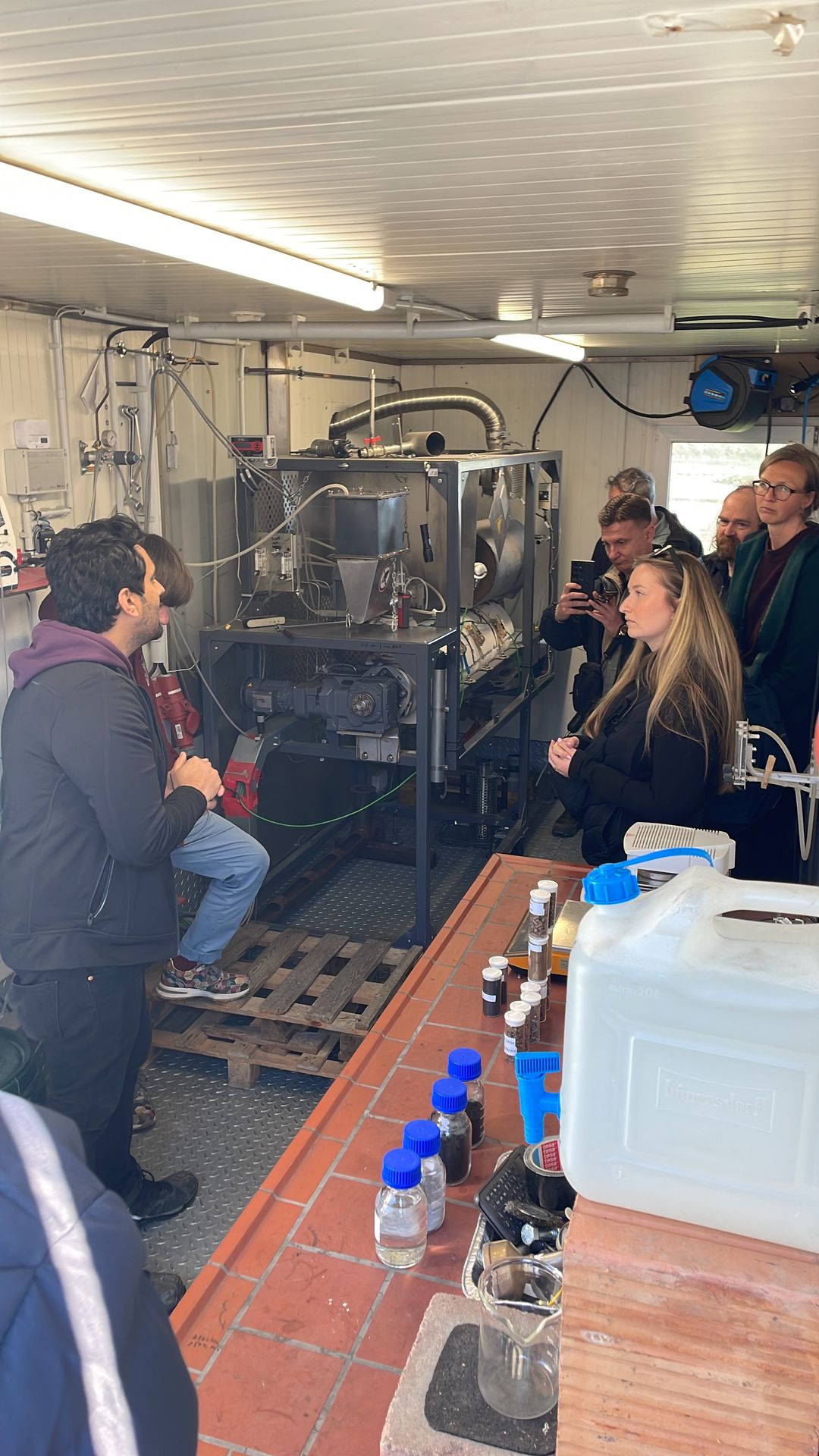
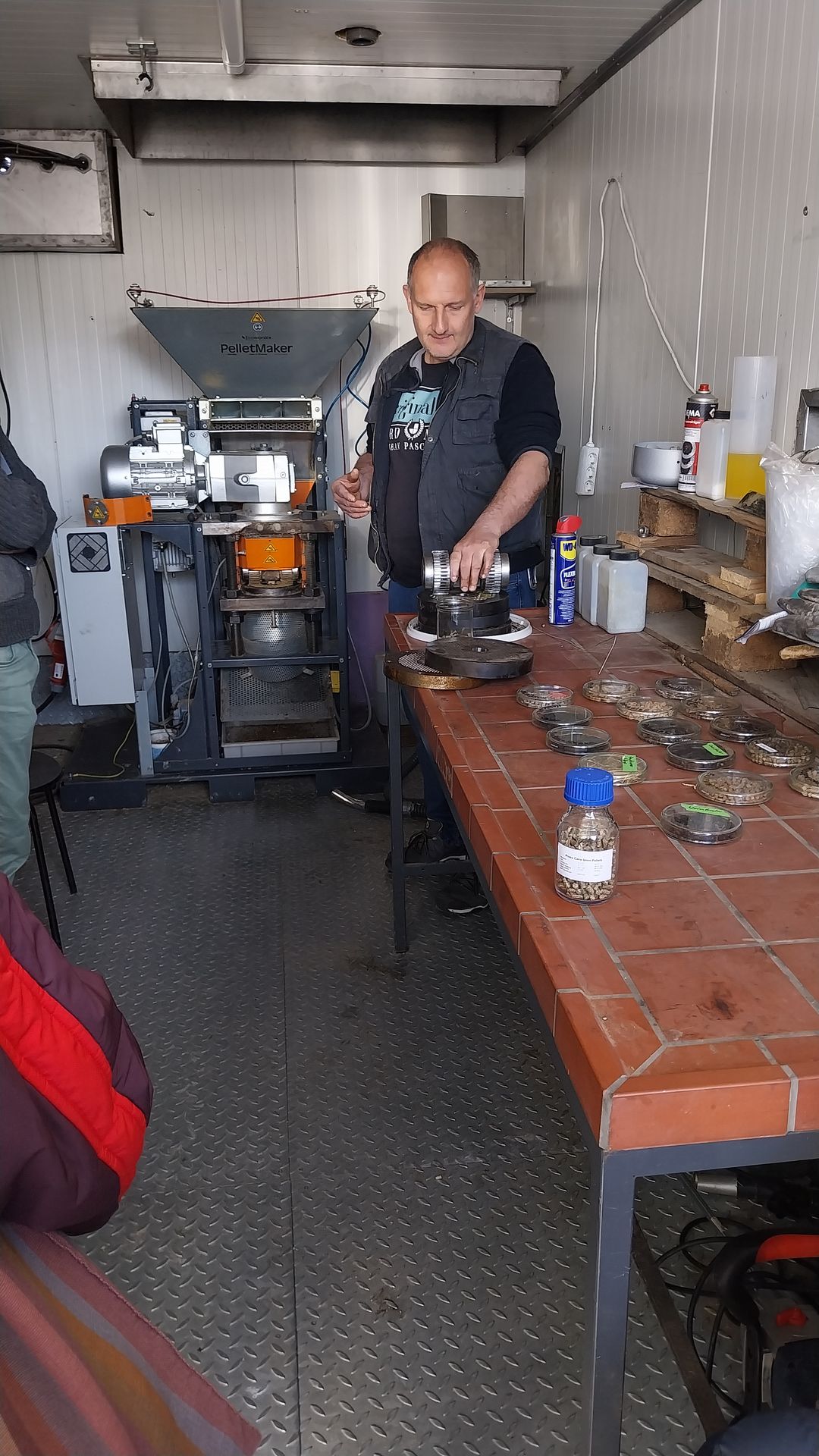
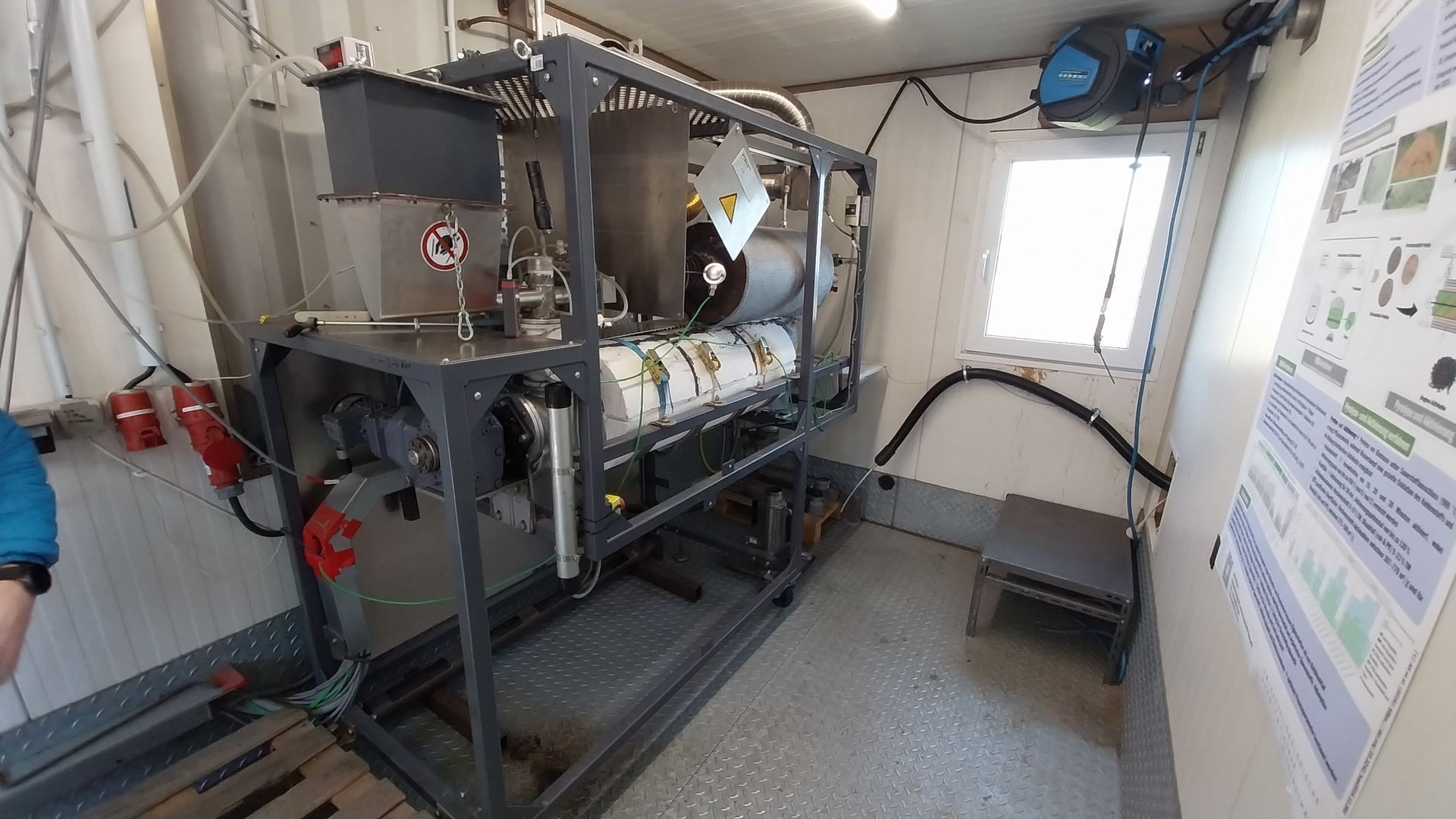
The first stop, at the TechLab at the University of Kassel in Eichenberg, provided a structured introduction to the technical process. Divided into smaller groups, participants followed three key steps:
- pre-treatment of green waste;
- production of biomass-based pellets; and
- small-scale pyrolysis for research purposes.
This hands-on setup allowed participants to see how different technological components interact. At the same time, discussions highlighted a crucial challenge: how to transition from controlled research environments to scalable, real-world solutions.
Climate Farming in Practice at Hof Tolle
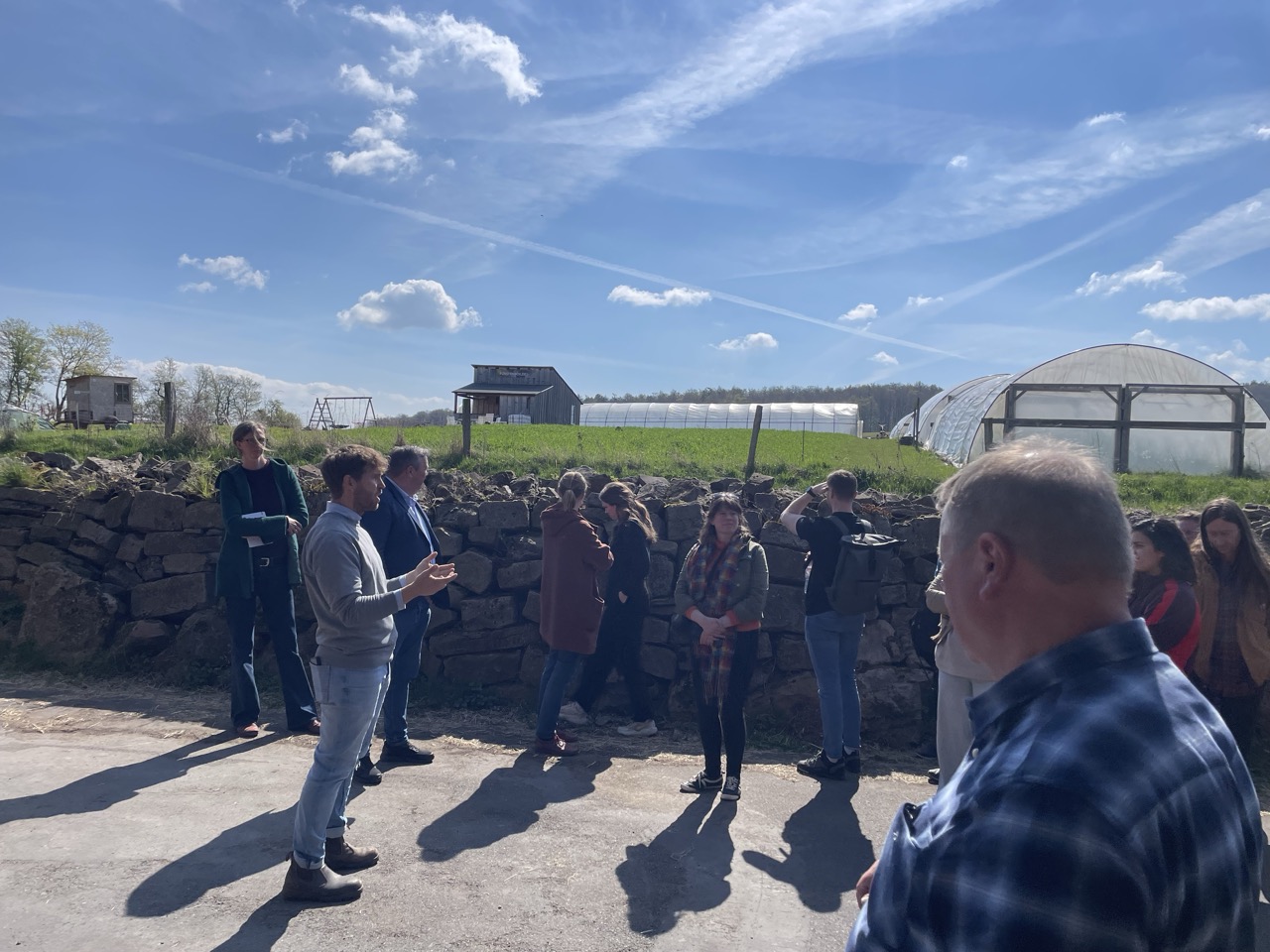
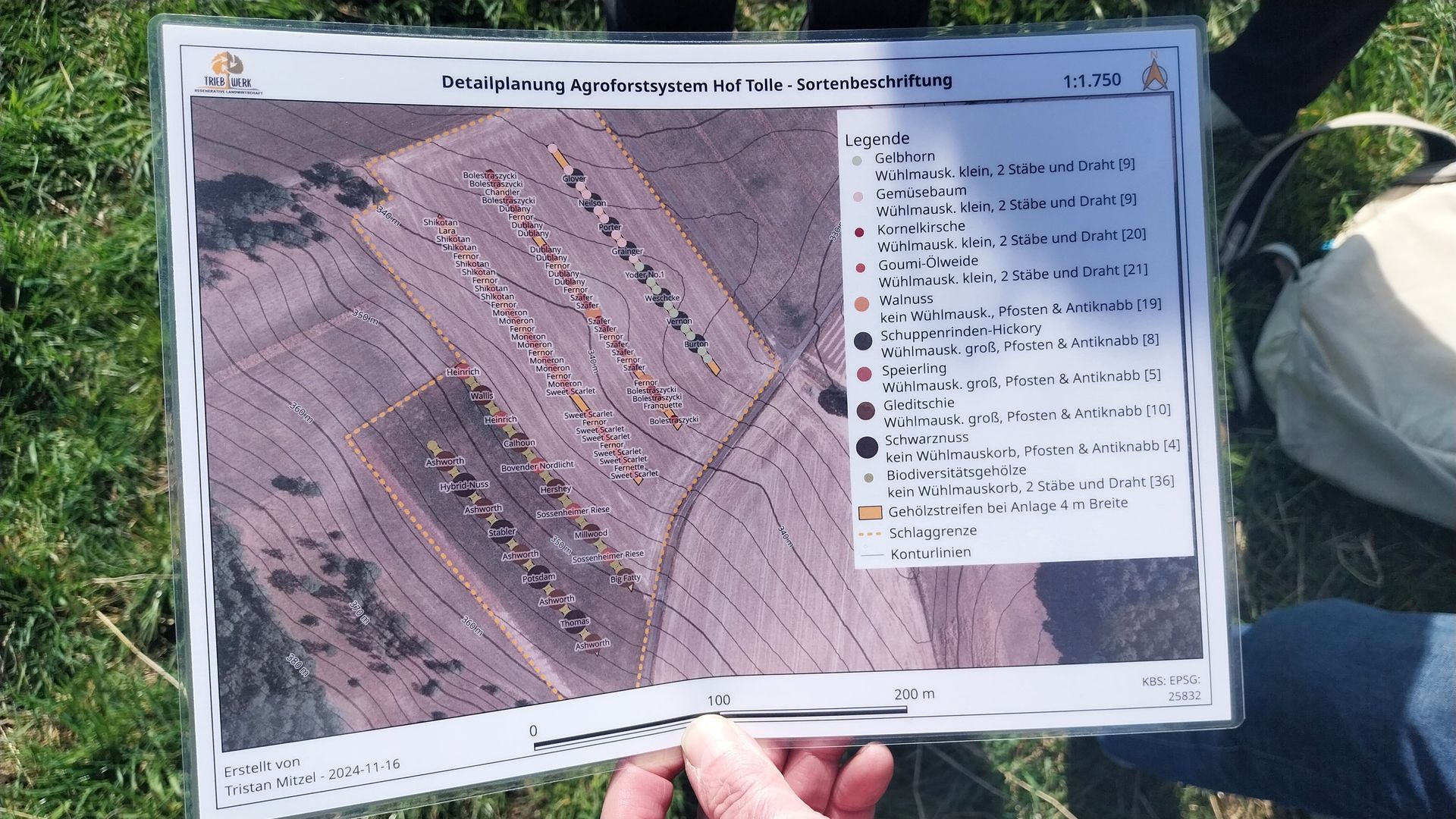
The second stop shifted the focus from technology to land use. At Hof Tolle, participants explored a working example of climate farming and agroforestry.
The farm combines:
- agricultural production
- tree systems for wind protection and resilience
- small-scale livestock
Agroforestry plays a central role here, protecting crops and offering additional outputs such as nuts and biomass. The visit demonstrated how nature-based solutions can be integrated into practical farming systems and opened discussions about economic viability and long-term adaptation.
Scaling Up: Biochar production at KohleHelden
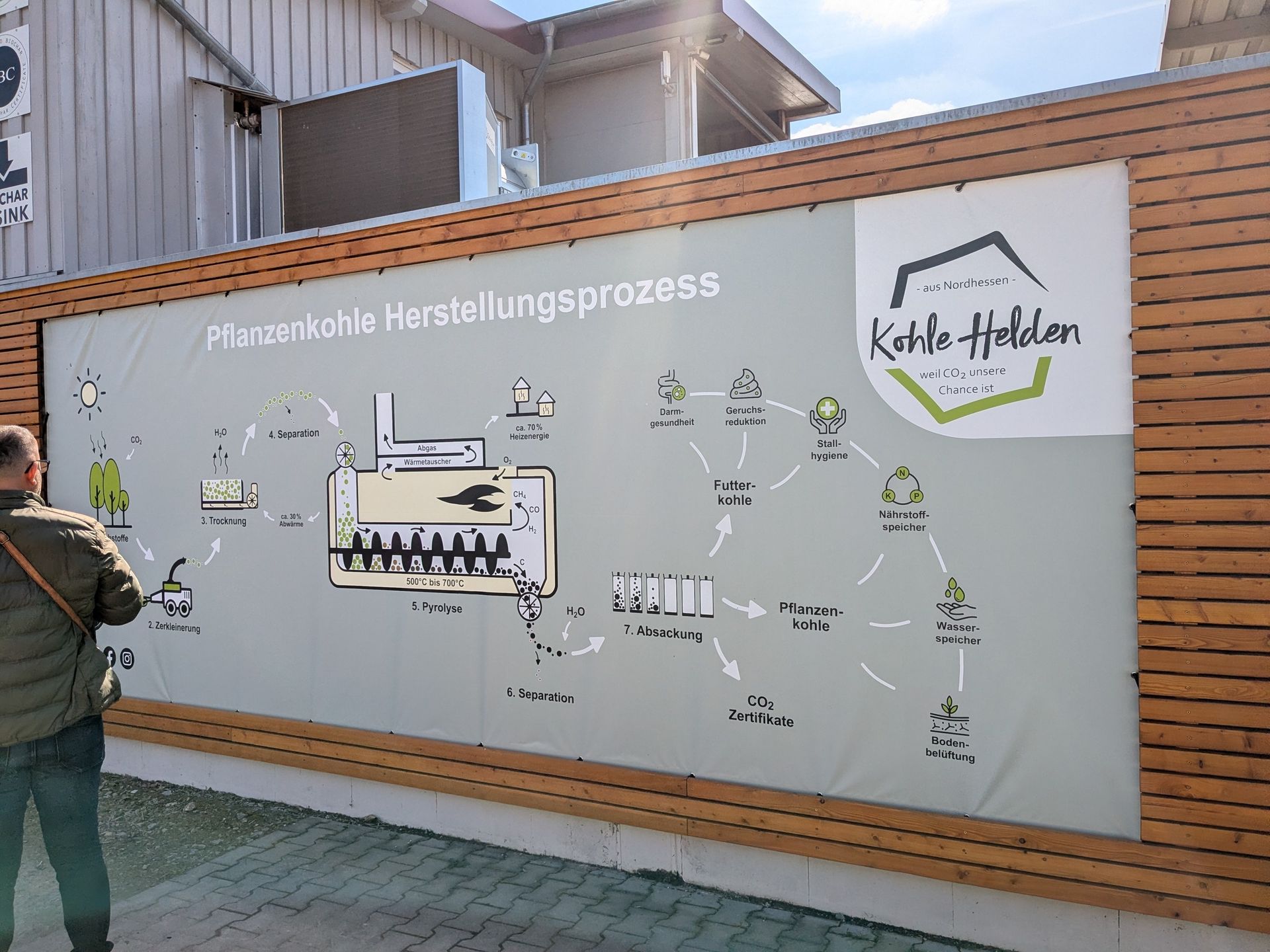
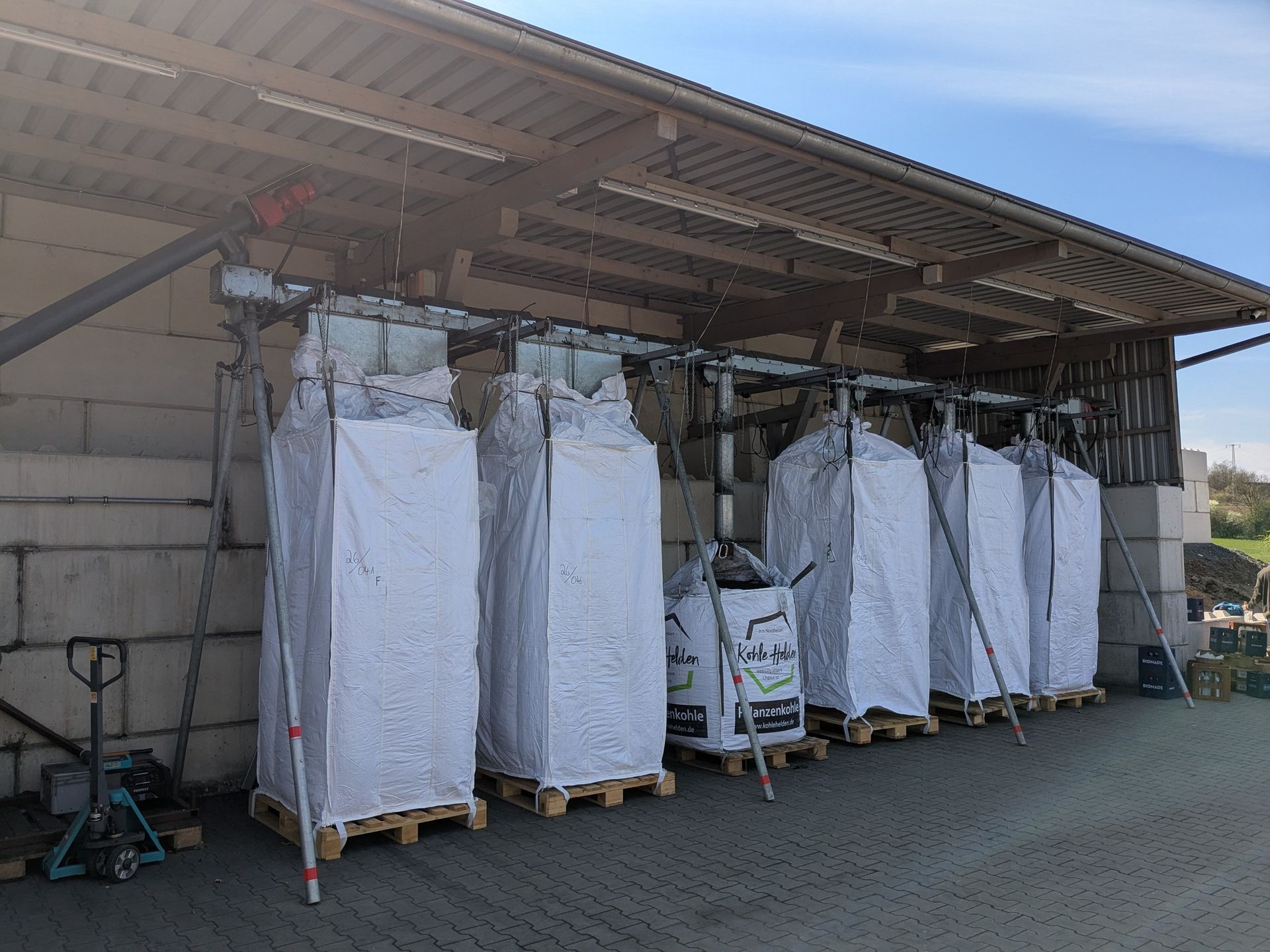
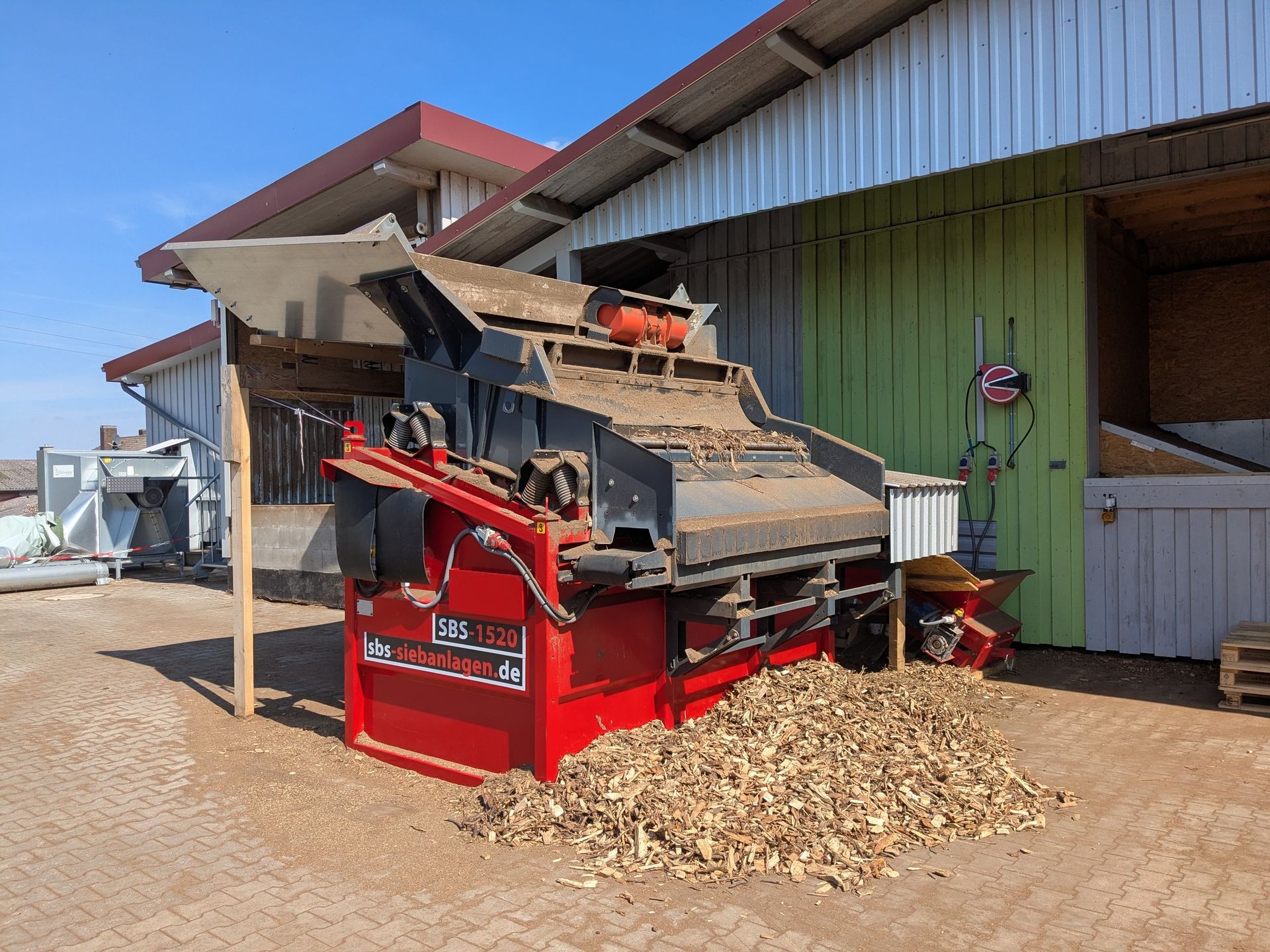
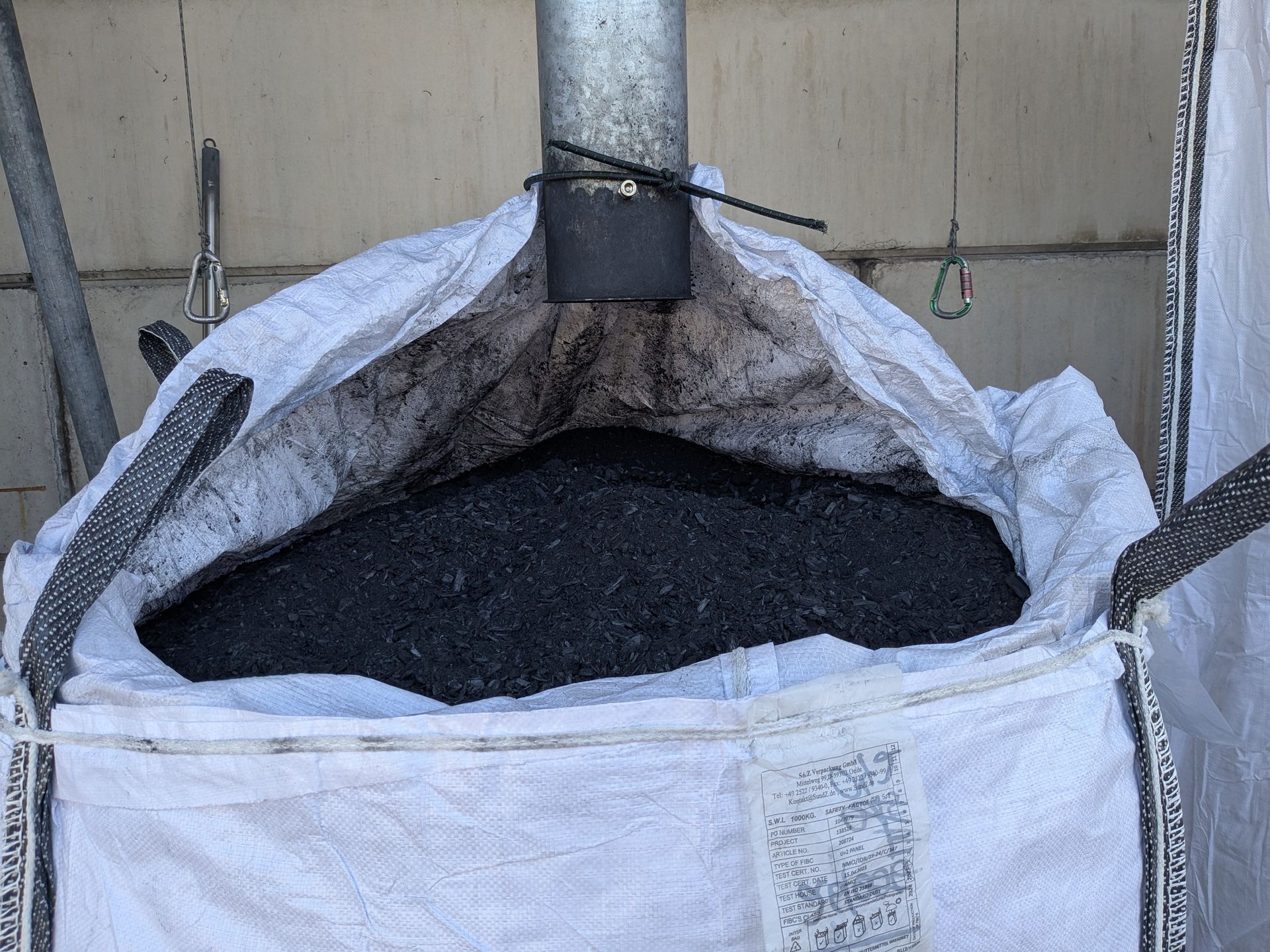
The final stop introduced a more applied and business-oriented perspective. At KohleHelden, participants explored a mid-scale pyrolysis system focused on producing certified biochar from regional tree waste streams.
Discussions highlighted that biochar quality requirements can vary significantly depending on the intended application. In particular, applications such as animal feed additives require especially high and consistent quality standards, making certification and process control essential aspects of production.
The visit demonstrated how biochar production is moving beyond experimental setups towards specialised and market-oriented applications, linking waste management, climate action, and regional value creation.