
Capturing carbon in a bicycle path — it sounds futuristic, but it is already happening on the streets of Enschede. As part of the Interreg project CASCADE, the municipality has carried out practical pilots over the past years using biochar in Ecofalt. The results are promising enough that Ecofalt is now continuing the development independently and exploring whether the mixture can become a permanent part of its product portfolio.
What is Ecofalt?
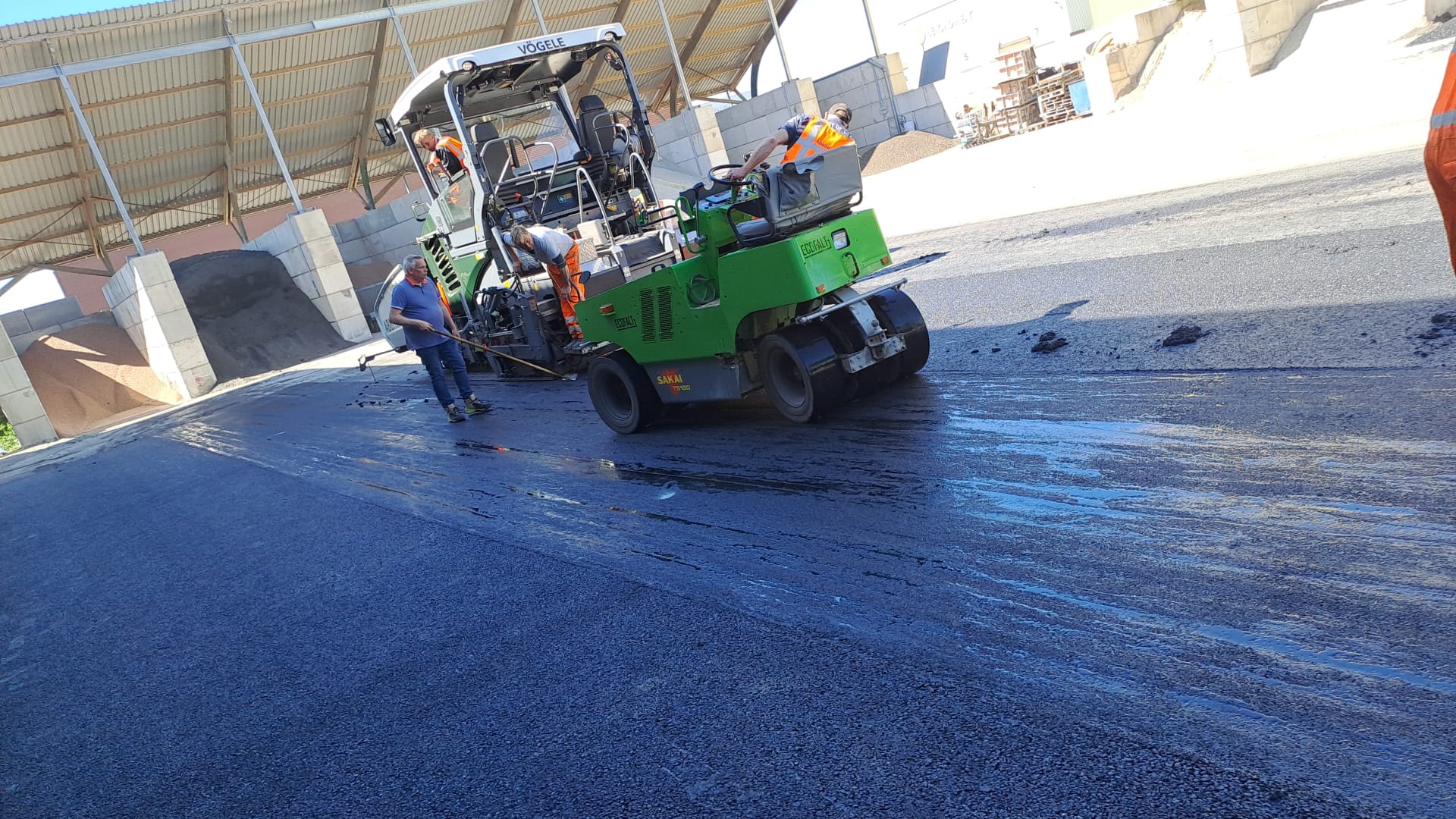
Ecofalt is a sustainable alternative to conventional hot asphalt. It has the same black appearance as traditional road surfaces, but is produced and applied at ambient temperature — without heating. The production facility is gas-free and runs entirely on solar energy. Instead of conventional binders, Ecofalt uses a biobased emulsion made from plant-based oils such as sunflower, flax and linseed oil. The base and intermediate layers consist of recycled road material. This results in a significantly lower CO₂ footprint compared to traditional asphalt — even before adding biochar.
Biochar: carbon that stays
Biochar is produced by heating organic material, such as wood or agricultural residues, in the absence of oxygen. This process, known as pyrolysis, creates a stable carbon structure that does not easily degrade. In soil applications, biochar is known for improving water and nutrient retention. In road construction, it offers a different opportunity: long-term carbon storage within the pavement structure itself.
The combination with Ecofalt is therefore logical. Ecofalt reduces emissions during production and application, while biochar stores carbon. Together, they enable a pavement that not only emits less CO₂, but can store it overall.
From first pilot to a fully CO₂-neutral project
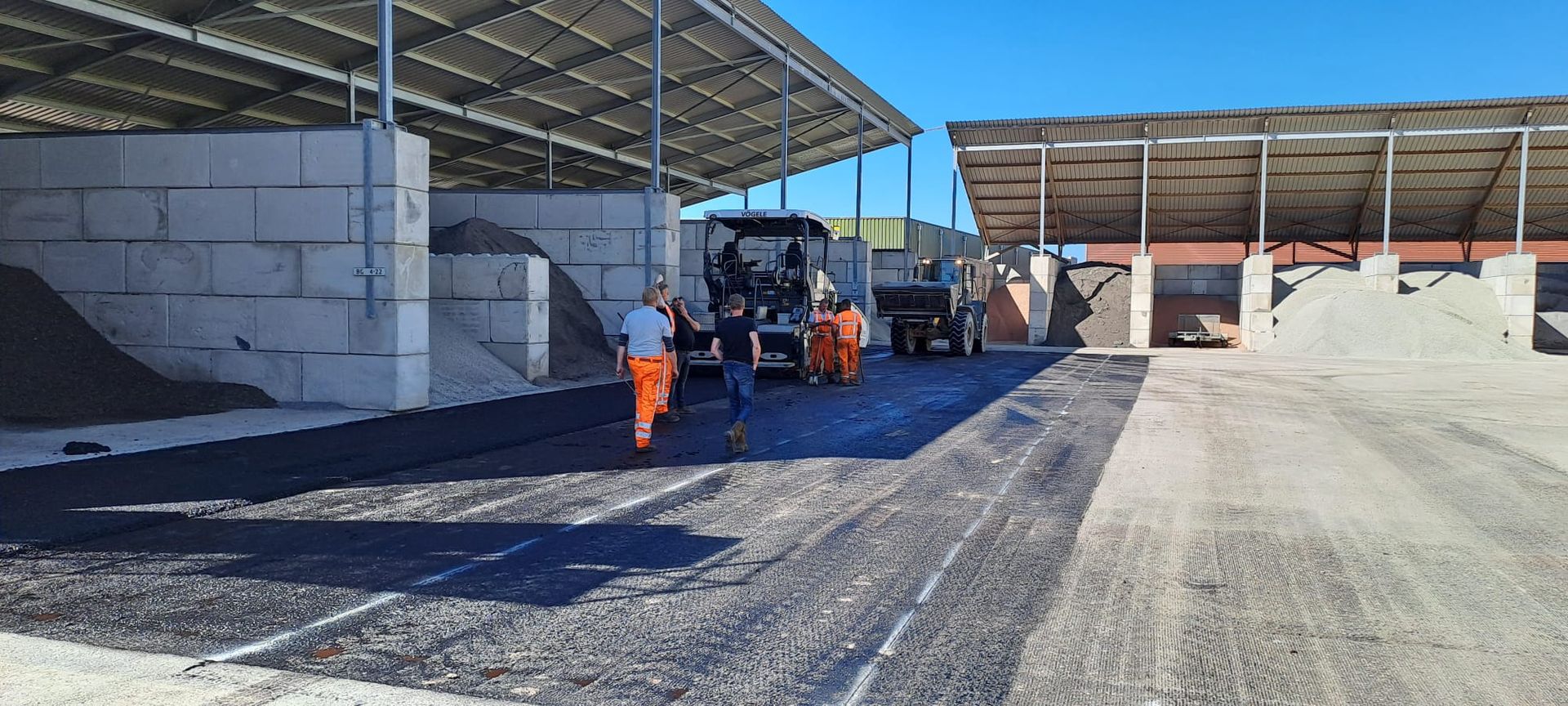
The development progressed step by step, with Enschede acting as the testing ground. The first practical pilot took place at the access road to the Military site in Boekelo. There, Ecofalt saved 170 m³ of natural gas, corresponding to a reduction of 357 kg of CO₂ emissions. The addition of biochar stored an additional 600 kg of CO₂ in the pavement.
In December 2022, a bicycle path in Enschede followed, constructed at an outdoor temperature of just 5 degrees Celsius. This demonstrated that Ecofalt can be successfully applied at ambient temperature, even under colder conditions.
A key milestone was reached in October 2023 on the bicycle path along Parkweg in Enschede. By combining Ecofalt with biochar, the project was executed fully CO₂-neutral, achieving a total reduction of 4.6 tonnes of CO₂.
Ecofalt moves forward
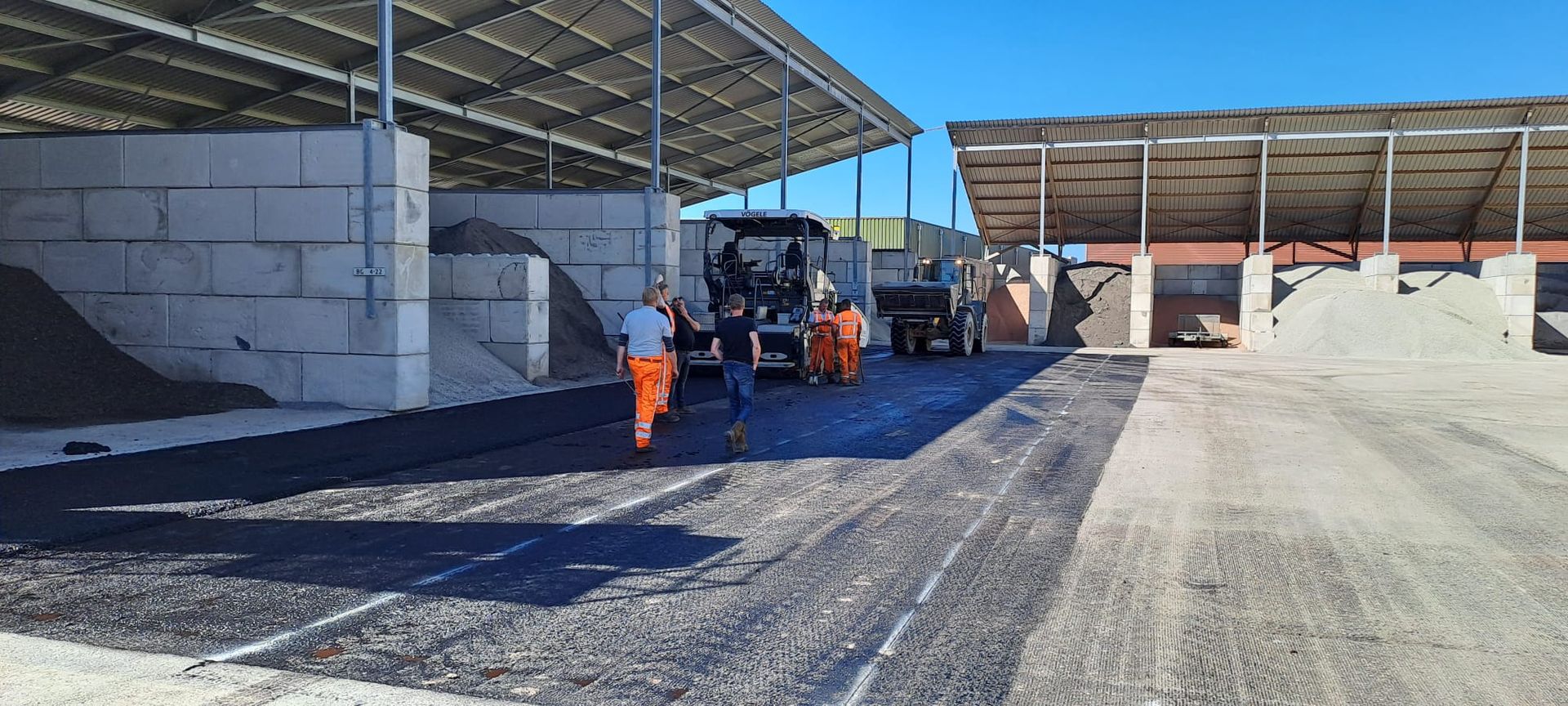
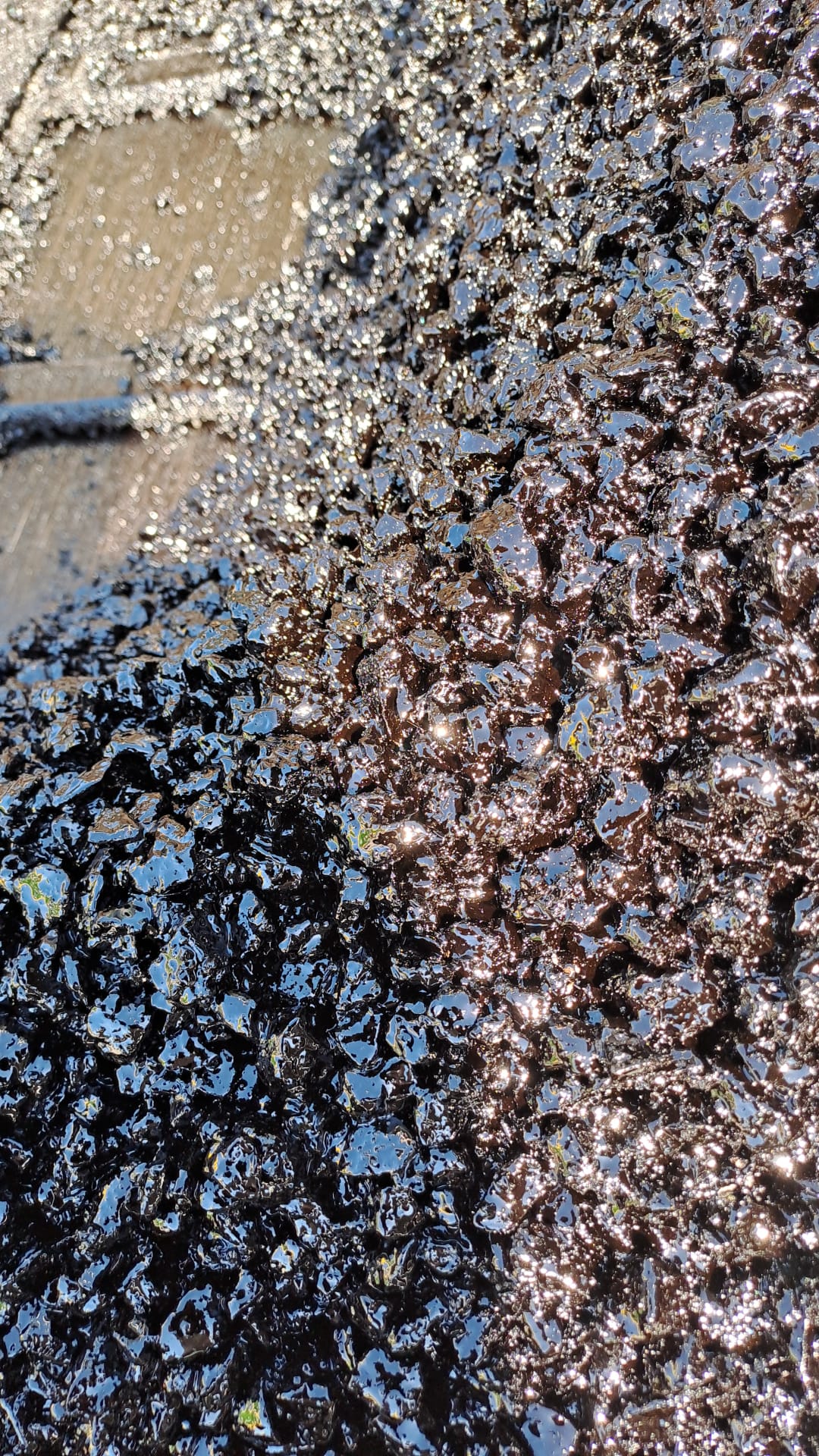
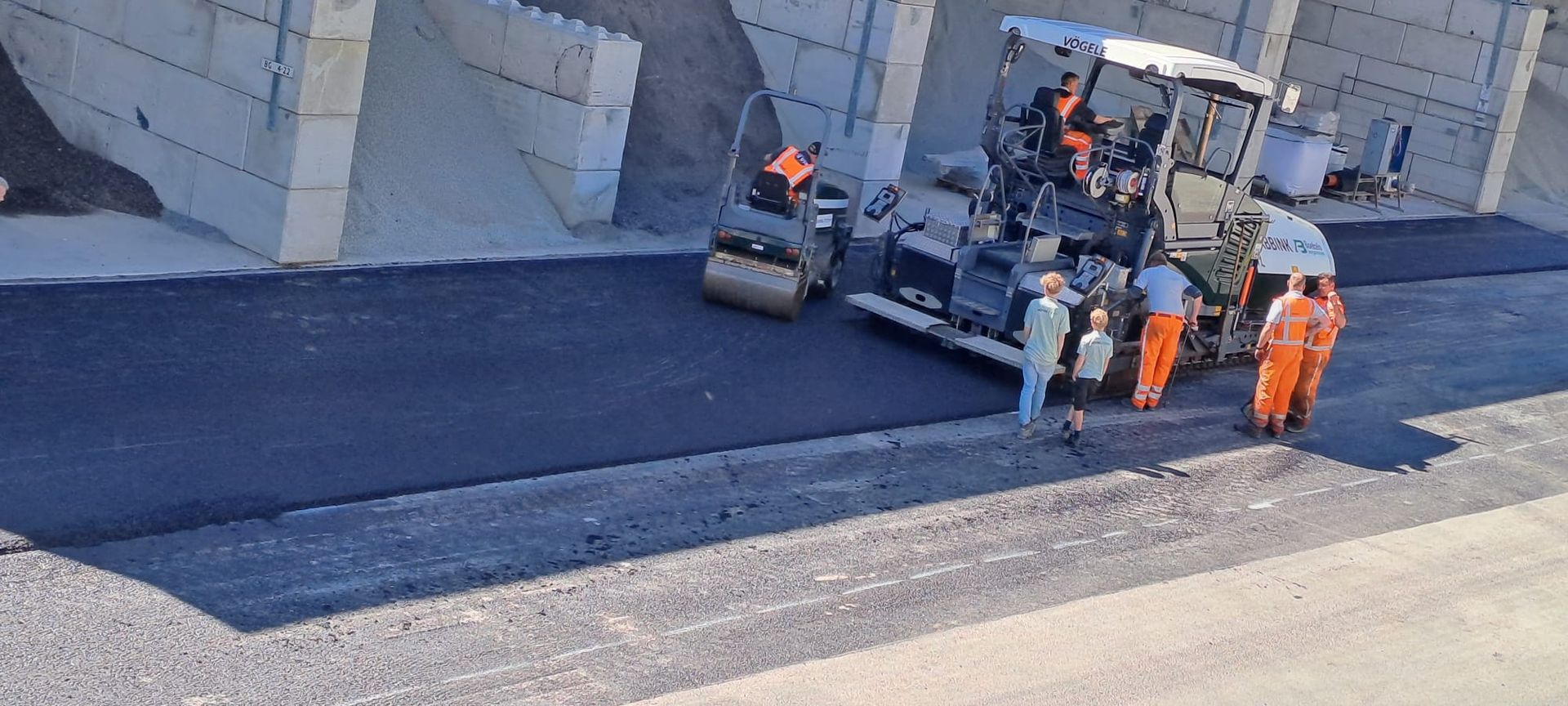
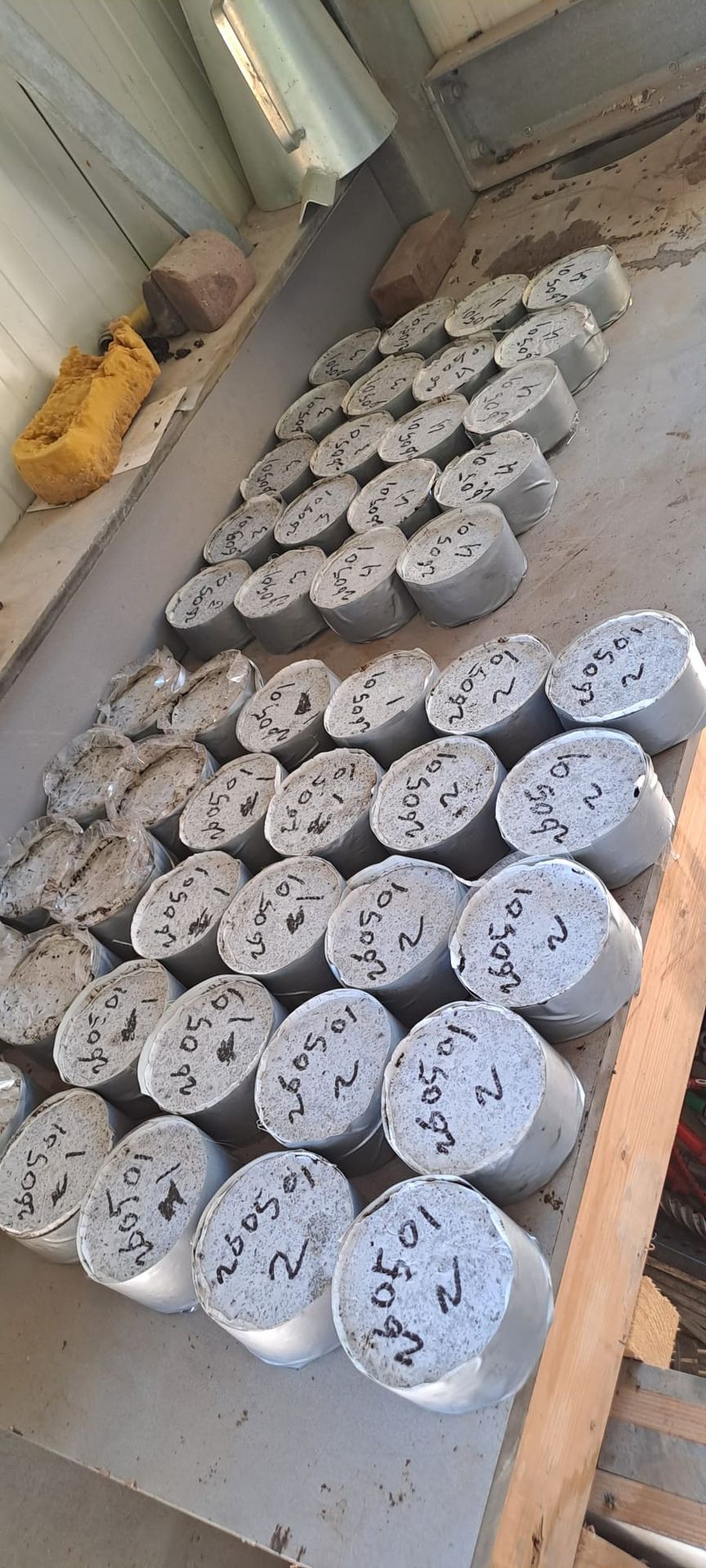
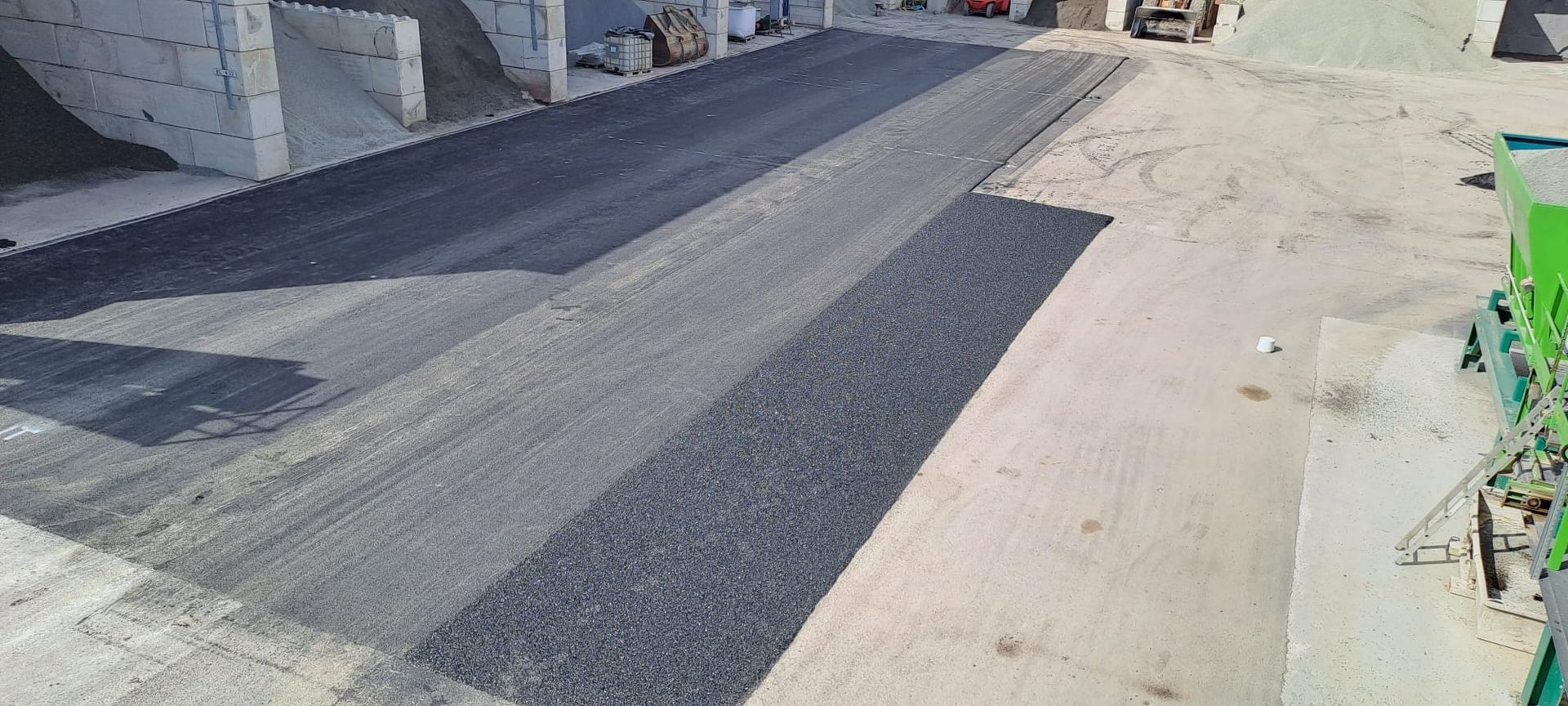
Based on the CASCADE pilots, Ecofalt is now continuing the development independently. The company has developed eight new and improved mixtures and applied them in test sections on its own site. Two of these mixtures contain biochar. The test samples are evaluated after one, two, three and four weeks to assess strength development over time.
These new tests are not only focused on further quantifying CO₂ reduction. There is also an expectation that biochar structurally improves and strengthens the mixture, potentially leading to a longer lifespan of the pavement. Initial observations at the Parkweg project already showed positive signals regarding structural performance, but conclusive evidence is still lacking. These new test sections are intended to provide that proof.
Based on the results, Environmental Product Declarations (EPDs) will be developed for the new biochar mixtures. These EPDs make the environmental performance of the product transparent. From these, MKI values (environmental cost indicators) can be calculated, expressing environmental impact in monetary terms. This makes the biochar mixtures suitable for use in public procurement processes, where sustainability is increasingly a selection criterion.
If the results are positive, biochar mixtures can become a standard part of Ecofalt’s product portfolio.
What this shows
For CASCADE, this is exactly the intended outcome. The project has initiated a new application, tested it in real-life conditions on the roads and bicycle paths of Enschede, and enabled it to stand on its own. Biochar in asphalt is no longer just a project idea — it is a solution ready for the market.
The role of government and funding
This trajectory also illustrates a broader point beyond biochar or asphalt. Innovations like this rarely emerge on their own. They require space to experiment, willingness to invest in unproven concepts, and parties willing to take the lead.
Funding programmes such as Interreg CASCADE play a key role in this. They provide the financial foundation to test ideas that would otherwise be too risky or costly for market parties to develop independently. Equally important is the role of government as a launching customer — not only co-financing innovation, but also offering its own infrastructure as a testing ground and demonstrating commitment to sustainable development.
Without this active involvement of public authorities, biochar in asphalt would likely have remained a concept on paper. With it, the technology is now close to becoming a regular market product.
CASCADE is an Interreg project initiated by the municipality of Enschede, in collaboration with partners from Ireland, Germany, Belgium, France and Luxembourg, focusing on circular applications of residual materials and carbon storage.