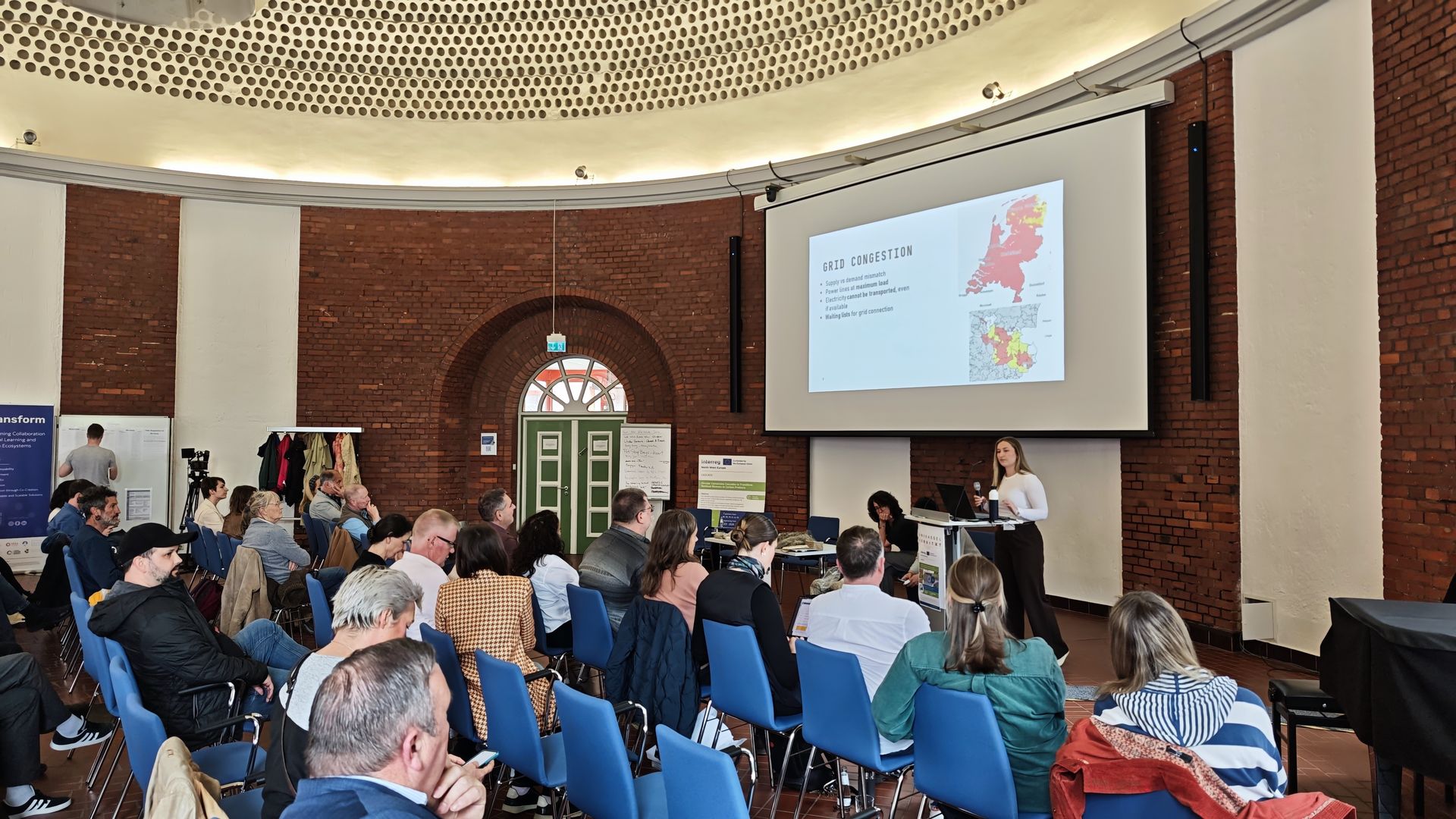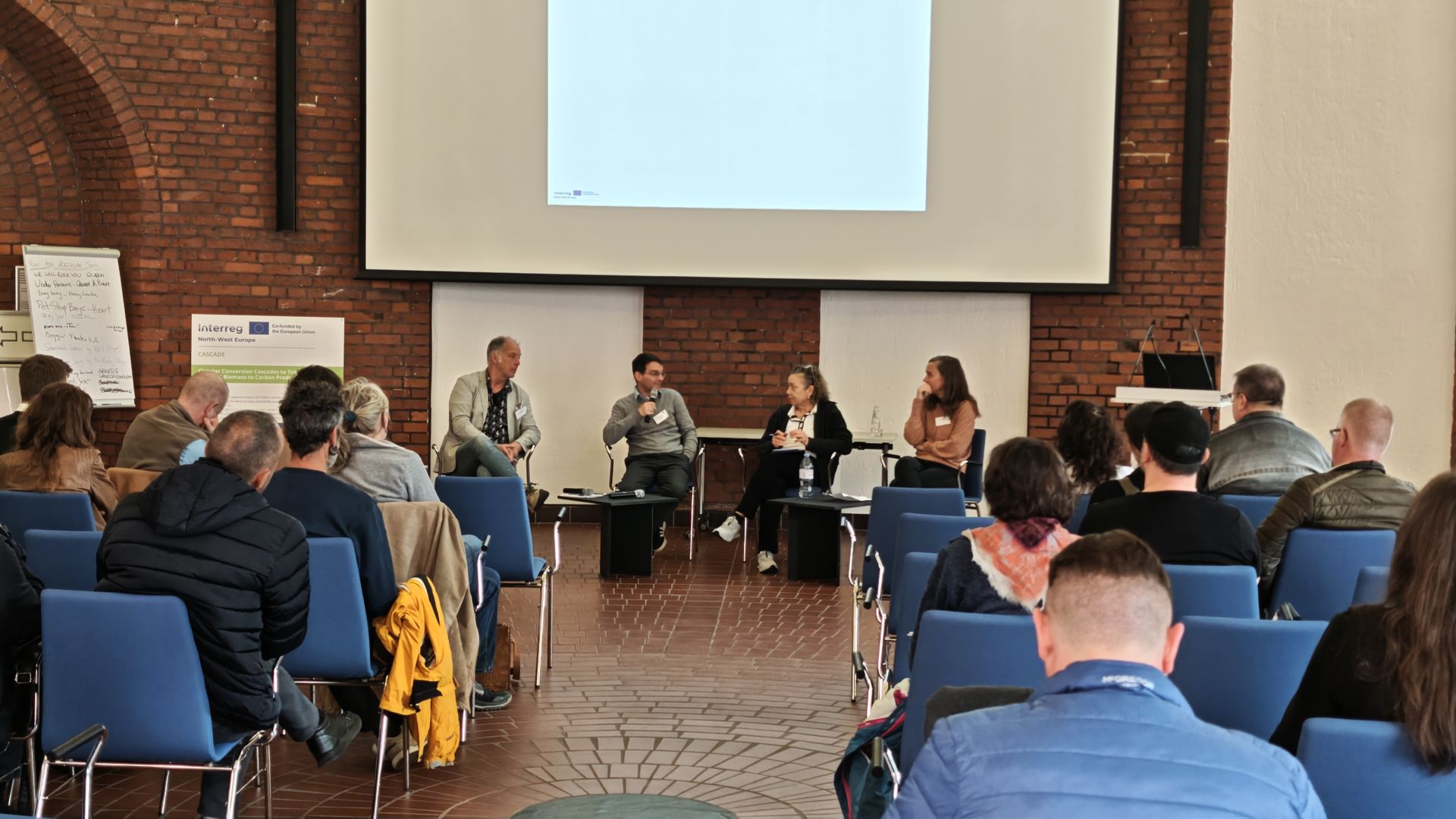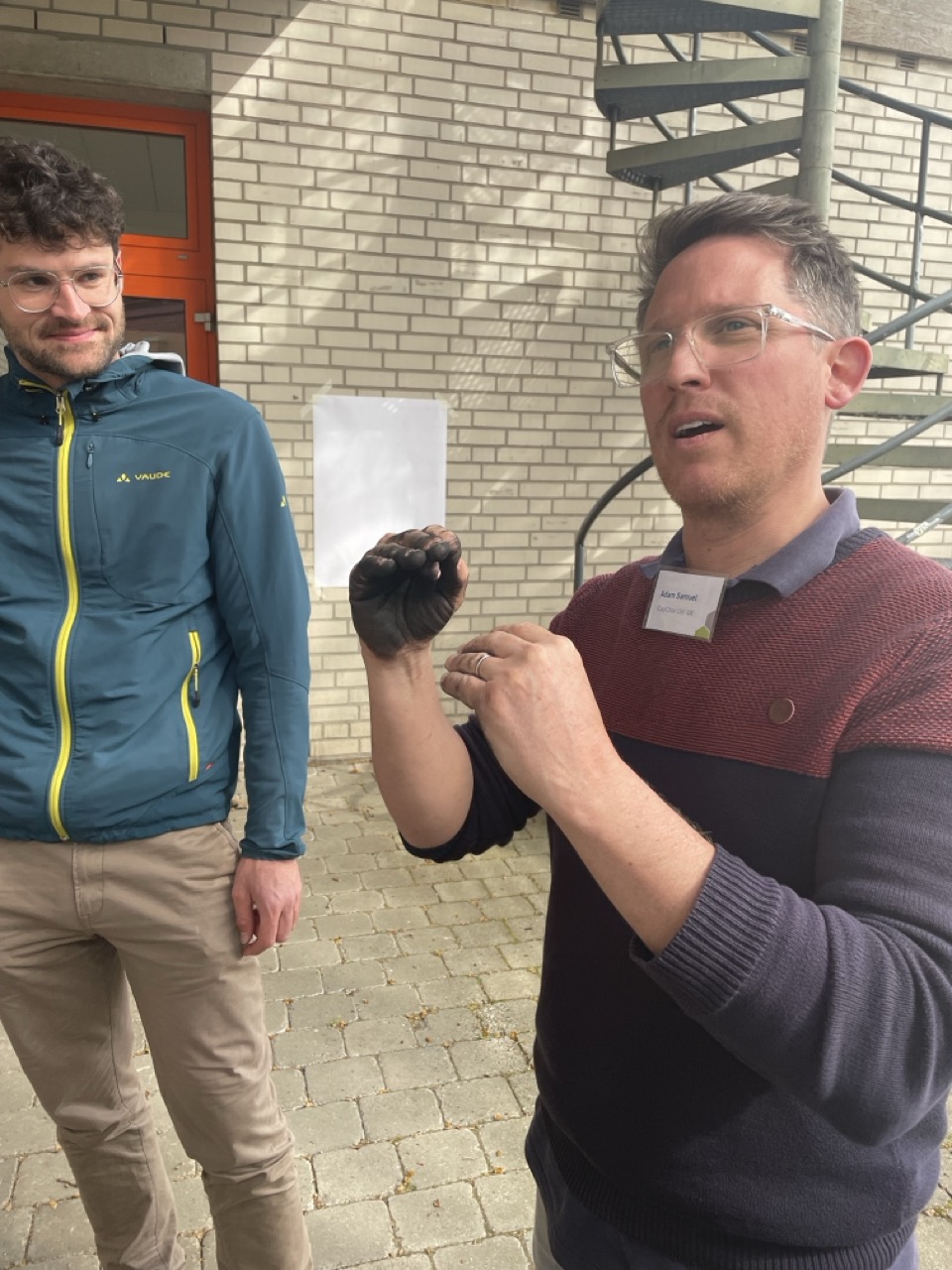
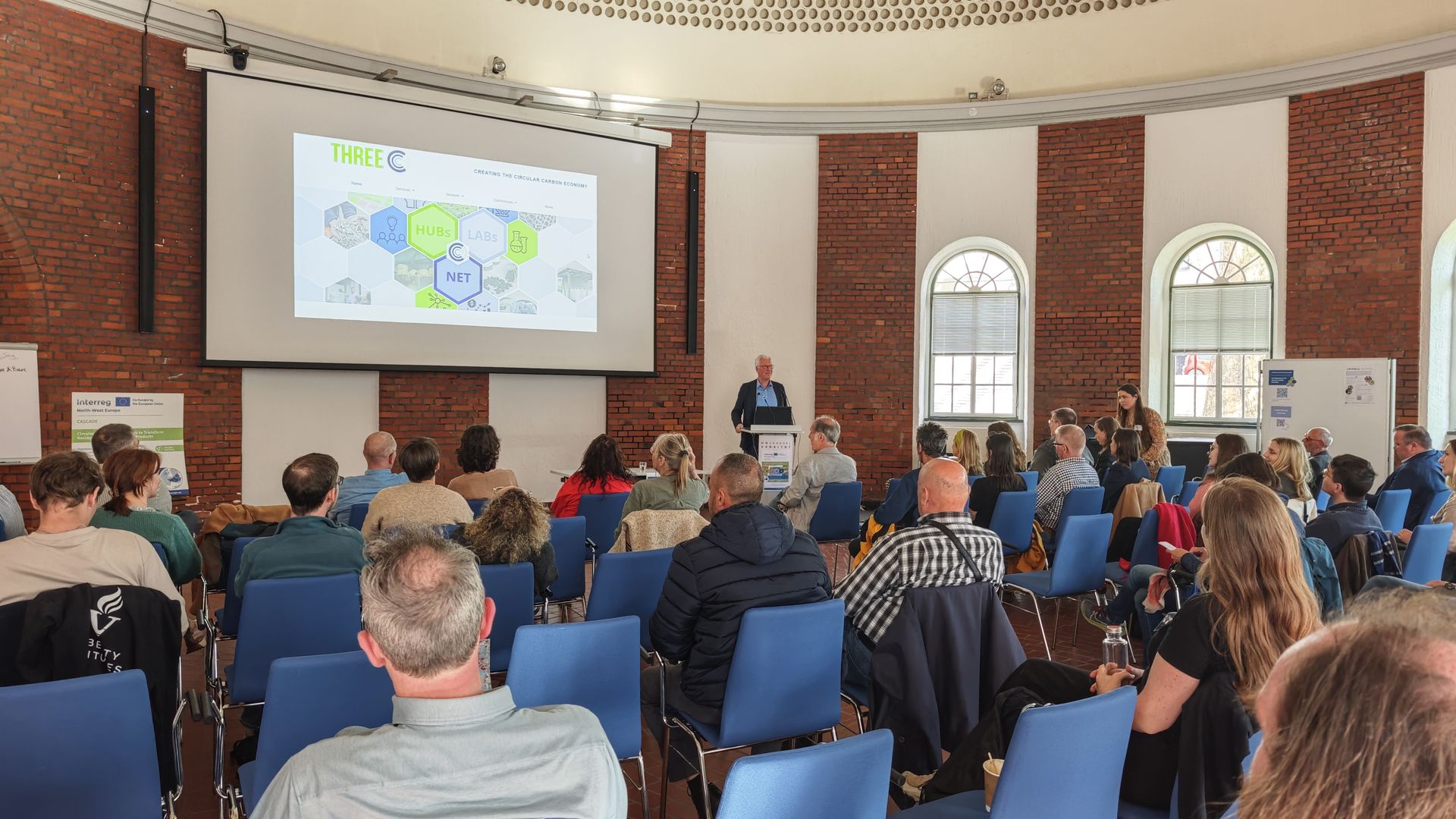
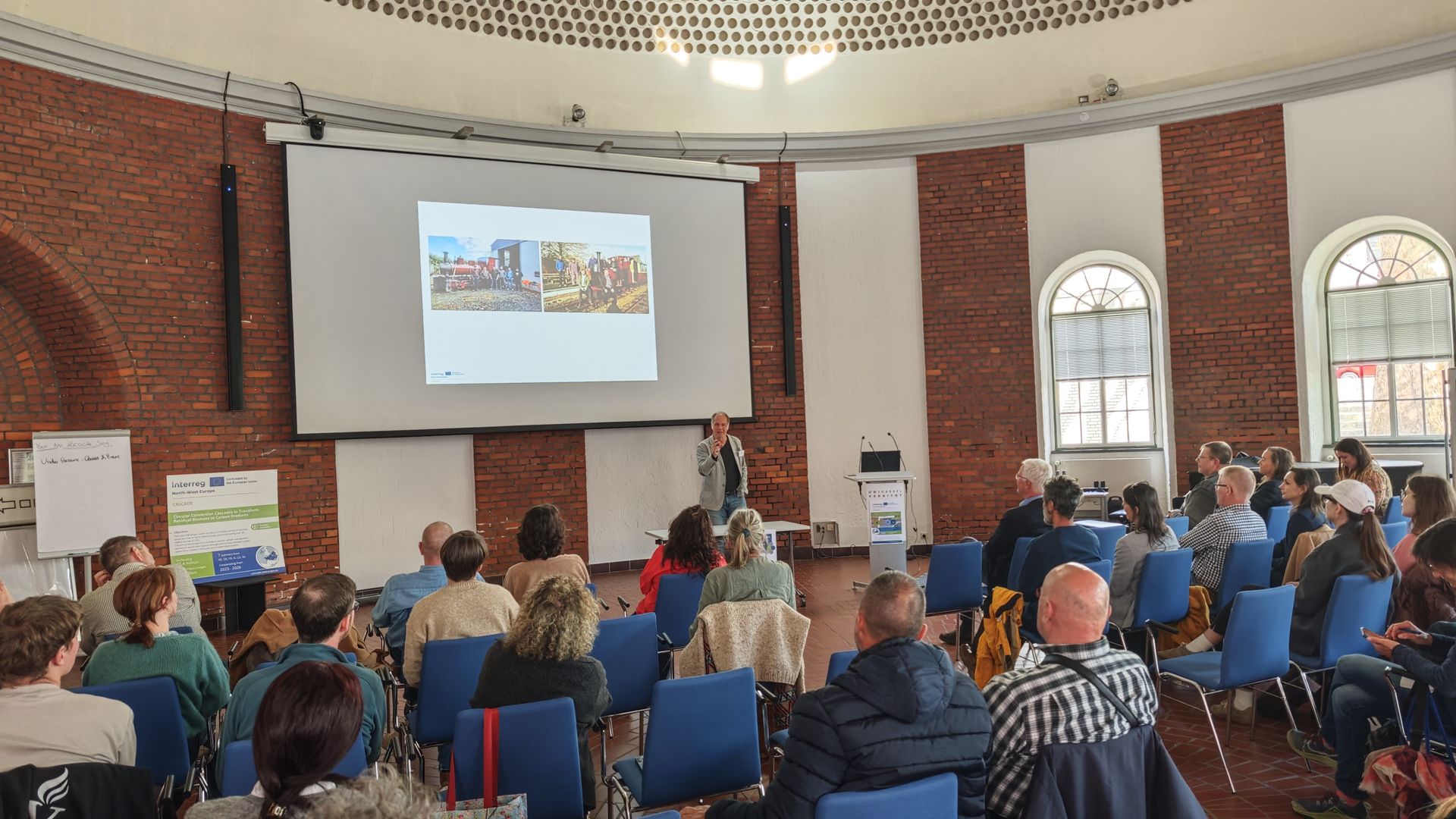
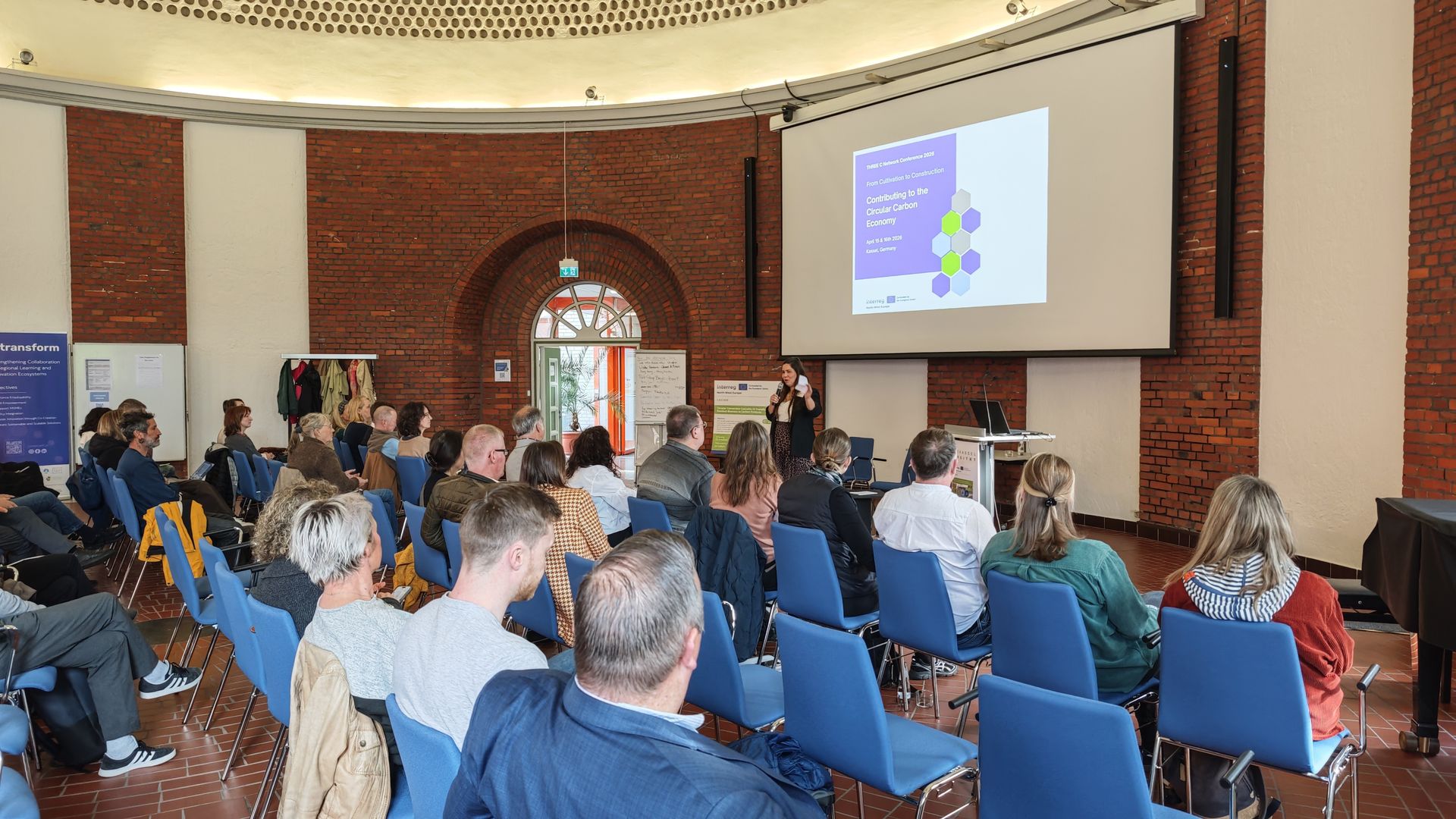
In April, more than 60 participants from across Europe gathered in Kassel for the THREE C Network Conference, bringing together researchers, practitioners, municipalities, and businesses to explore the future of the Circular Carbon Economy (CCE).
The CASCADE project was among those who actively contributed to the exchange, building on its role in developing and demonstrating circular carbon solutions across regions.
It quickly became clear that the Circular Carbon Economy is not a single solution, but rather a system built on many interconnected ideas.
The conference's central theme was 'From Waste to Value – A System of Opportunities', and it emphasised the simple yet powerful principle that waste has value, but unlocking that value requires coordinated processes, collaboration, and long-term thinking.
Across presentations and discussions, different starting points were explored:
- green waste as a local resource
- hemp as a multifunctional crop with diverse outputs
- woody biomass such as willow with applications ranging from energy to materials and even textiles
- Municipal waste streams and their potential for creating new value chains through pyrolysis and biochar.
Each of these approaches is a part of a larger system where multiple small steps, such as processing, transformation and application, interact to create cascading value.
Bridging Research, Practice and Market Reality
A key theme throughout the conference was the gap between innovation and implementation.
While technologies and concepts are advancing rapidly, real-world deployment still faces significant challenges:
- unclear business cases and investment pathways
- complexity in certification and market positioning
- fragmented value chains and logistical constraints
These challenges highlight that building a Circular Carbon Economy is not only a technical task, but also an economic and organisational one.
CASCADE's involvement in the THREE C network
As an active partner in the THREE C network, CASCADE builds directly on these discussions by focusing on practical implementation and regional application.
The project contributes by:
- developing integrated systems for biomass conversion into biochar
- testing and demonstrating applications across different sectors
- connecting technological innovation with real-world use cases
- supporting knowledge exchange between regions and stakeholders.
In this context, events such as the Kassel conference are essential for CASCADE to share results and gather insights, ensuring that project developments remain aligned with the real needs and challenges of the field.
The Role of Exchange and Honest Dialogue
The conference's format was what made it particularly valuable. A mix of:
- expert inputs
- interactive workshops
- world café and barcamp-style discussions
this created a highly dynamic environment.
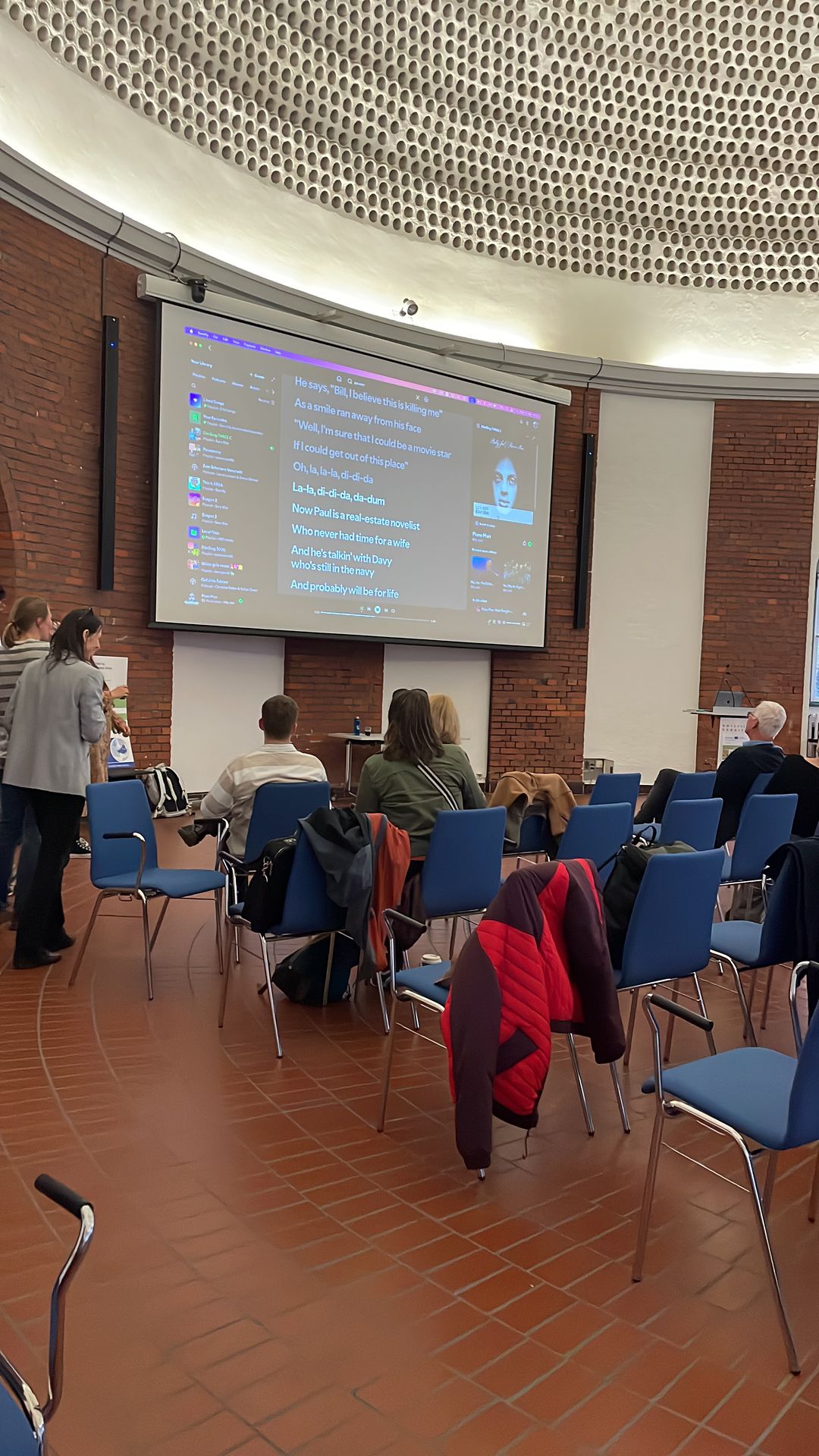
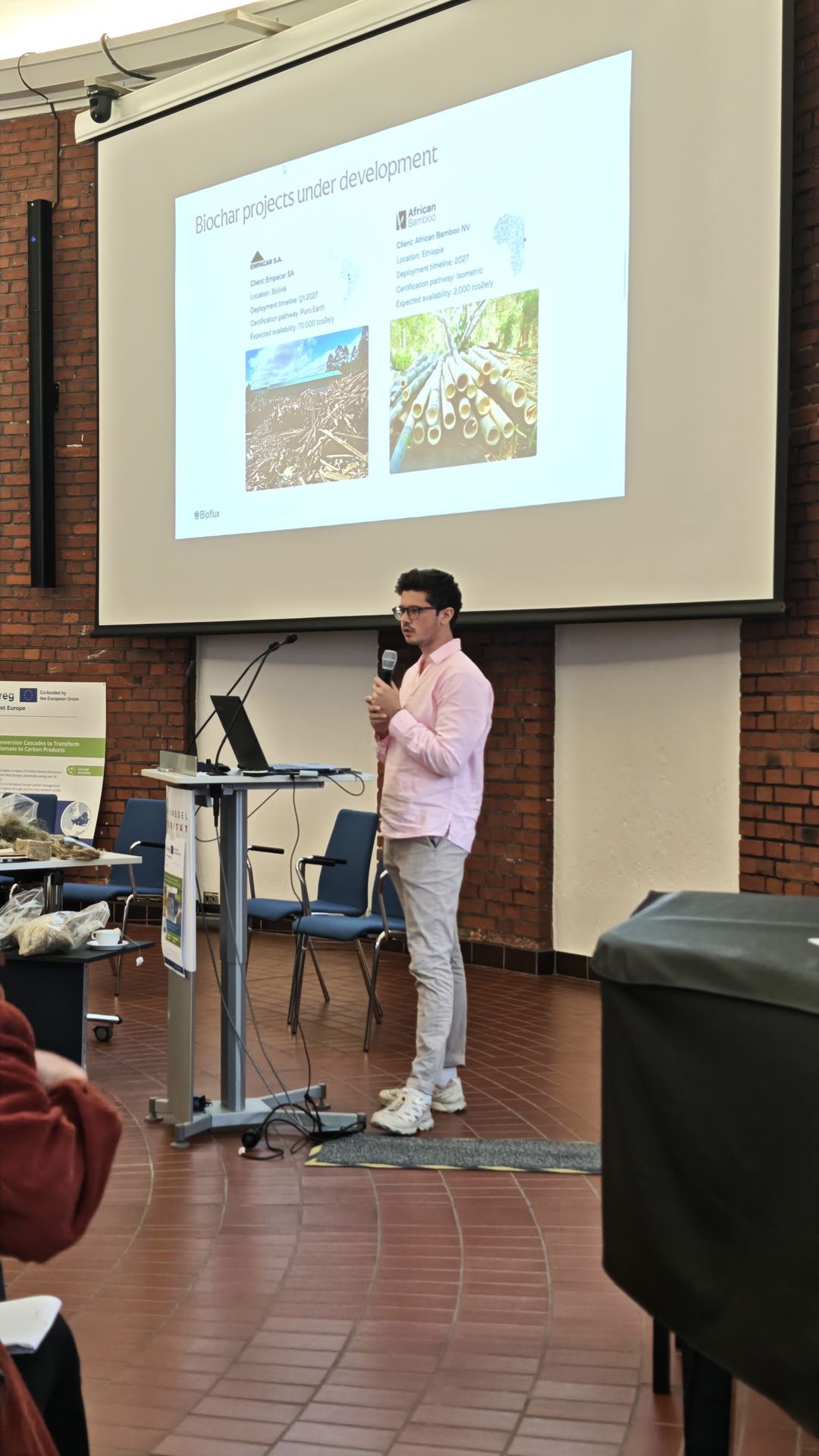
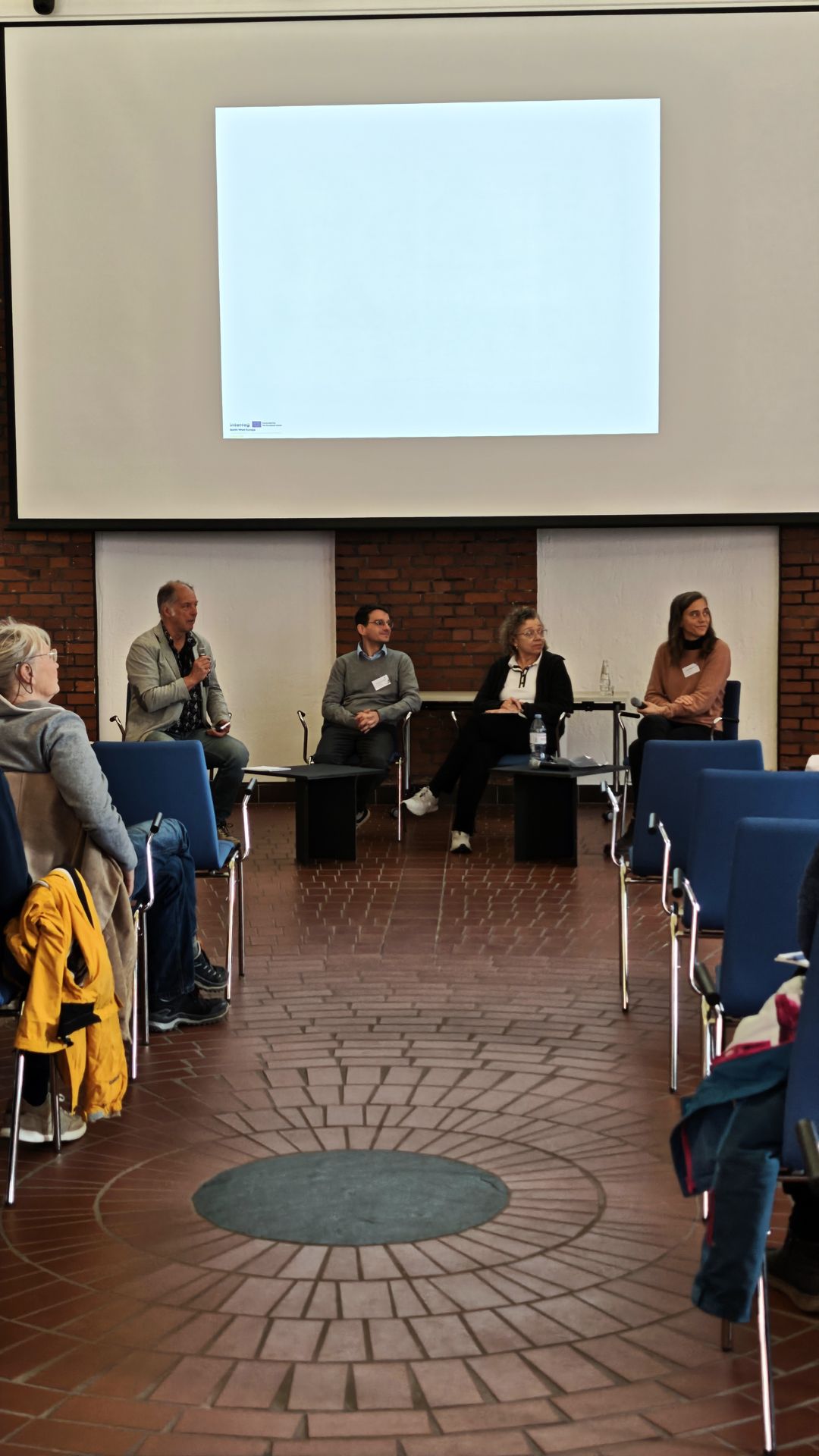
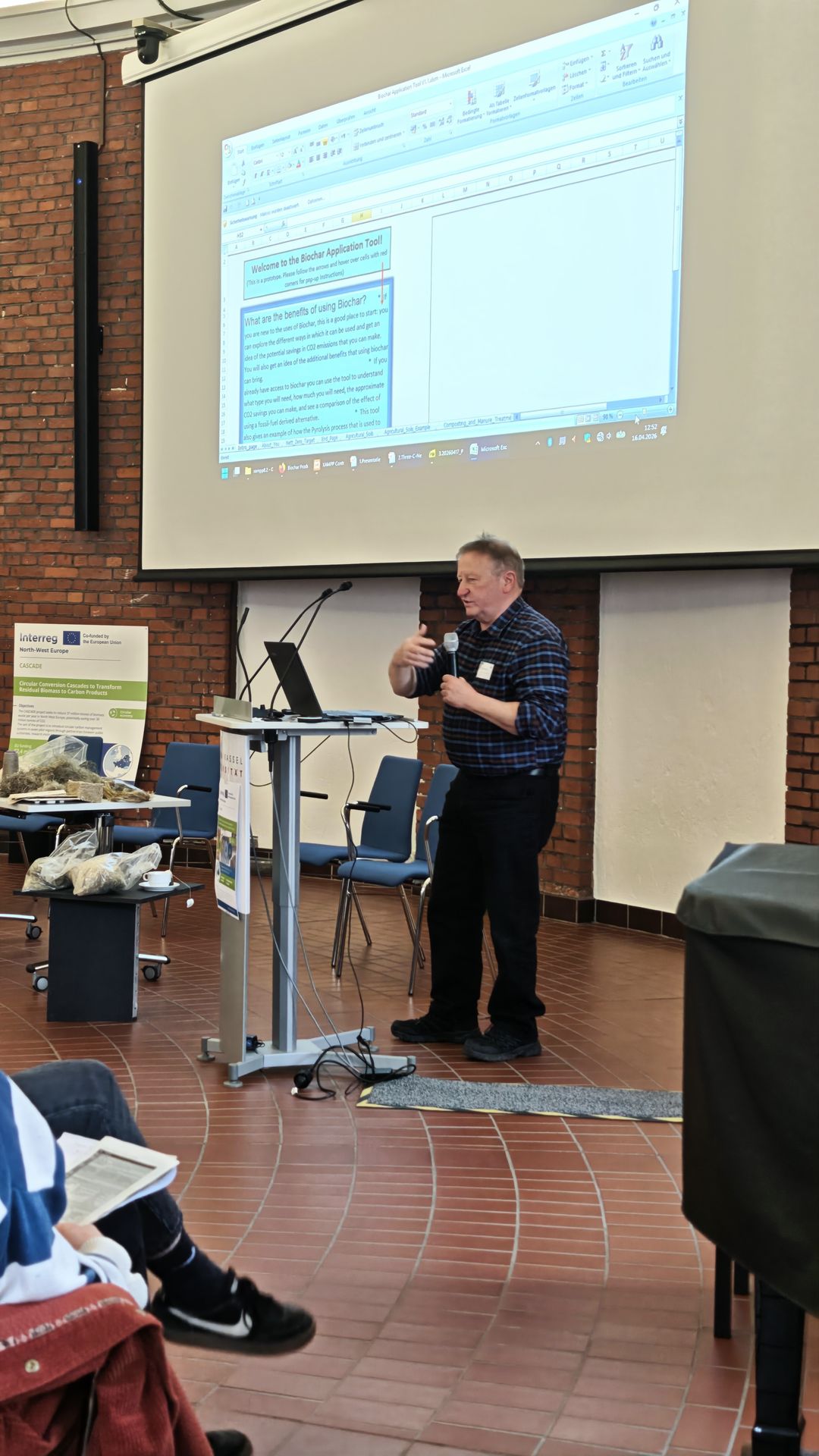
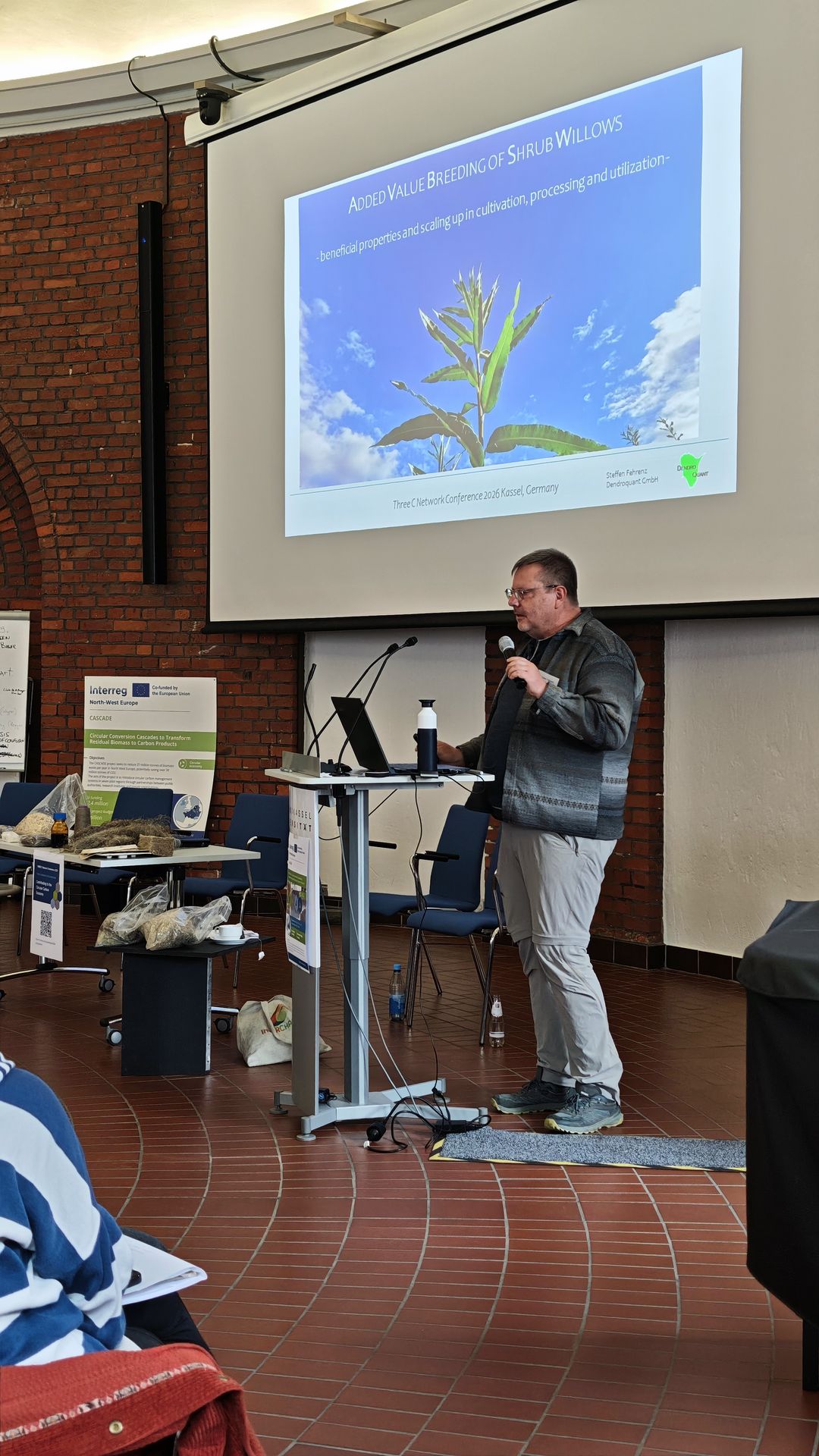
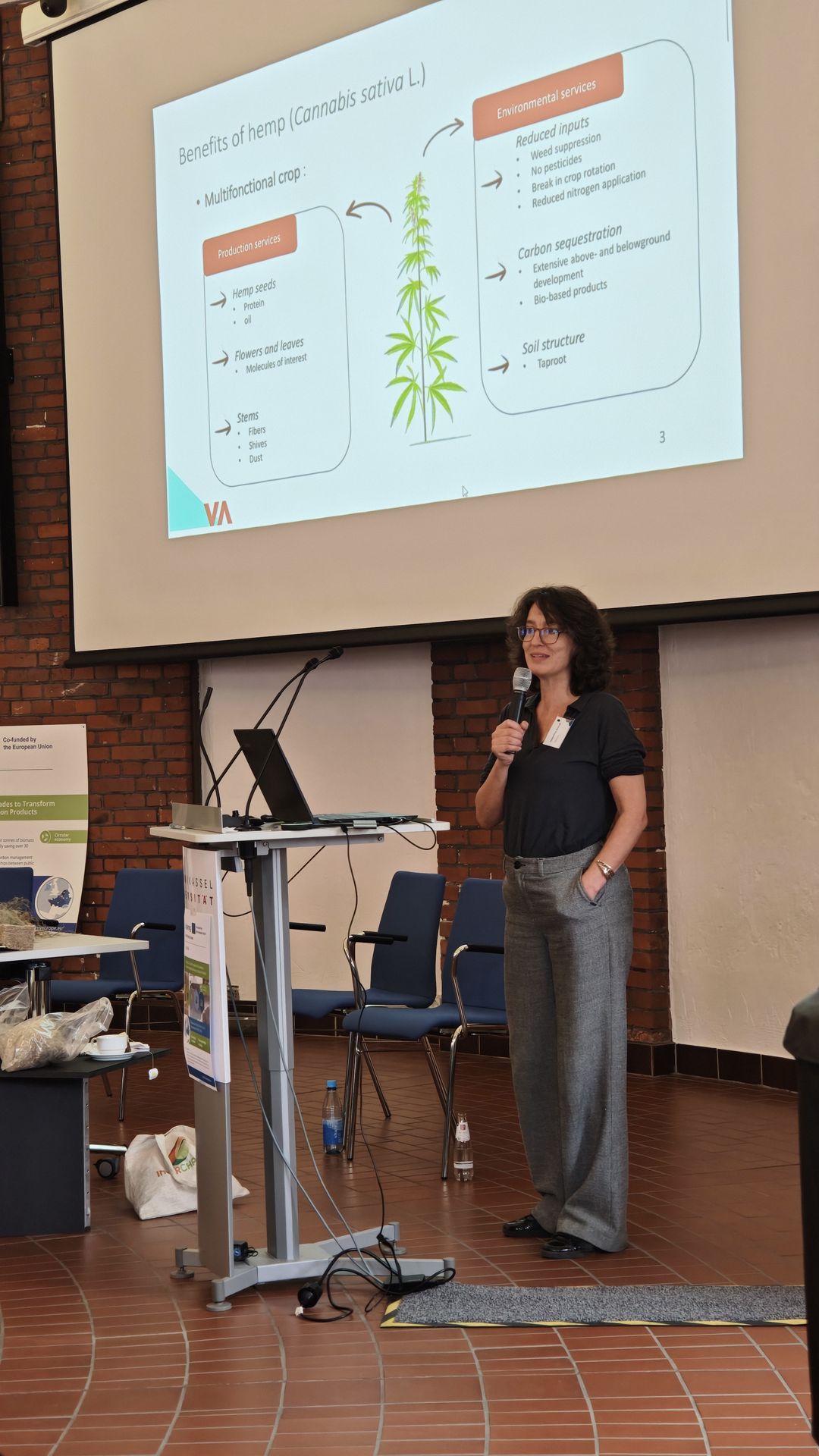
Participants openly shared both successes and failures, contributing to a productive and honest exchange. This kind of dialogue is essential when working in emerging fields where solutions are still evolving.
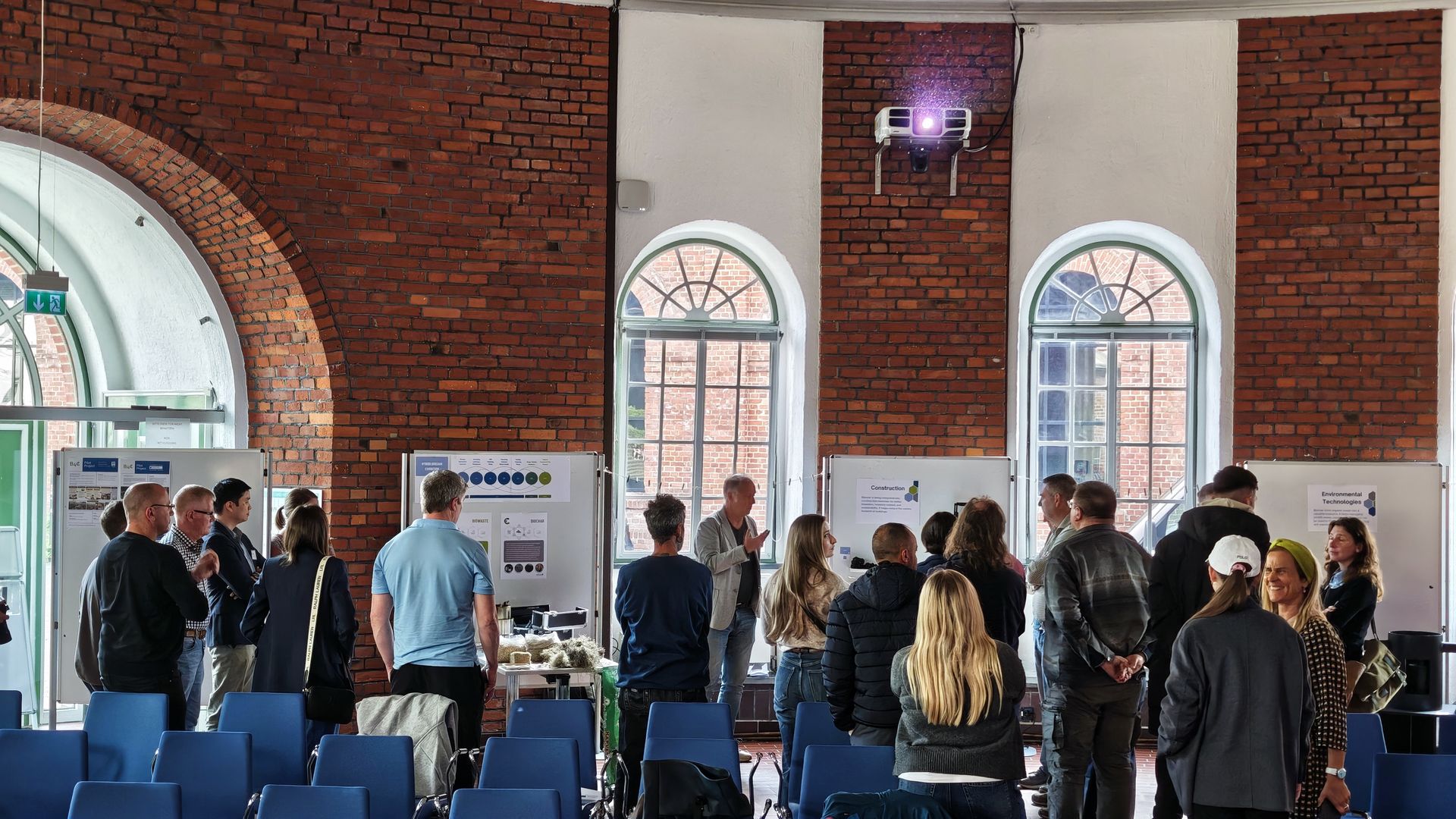
The integration of the Hybrid Exhibition added another dimension. By categorising exhibits as biowaste, biochar, bioproducts and bioeconomy, the exhibition provided a starting point for discussion, enabling participants to connect physical examples with deeper background knowledge.
A community-driven transition
One of the strongest insights from the conference was that no single idea can establish a circular carbon economy on its own.
Instead, it depends on:
- researchers developing new approaches
- companies testing and scaling solutions
- municipalities creating enabling conditions
- communities must also engage with new practices.
At the same time, participants acknowledged a major barrier: resistance to change.
Established systems, existing markets and short-term thinking often slow down the adoption of new solutions, even when their long-term benefits are clear.
Looking ahead, the THREE C Network Conference demonstrated that the foundations for a circular carbon economy are already in place. What is needed now is:
- stronger connections between ideas and implementation
- clearer pathways for scaling solutions
- continued collaboration across sectors and regions
Events like this are more than just conferences — they are the starting point for new connections, ideas and projects.